
Pilates Studio Bench: The Post-Class Sweat Struggle
Pilates is the post-class collapse where the sweat is real, the reformer springs are heavy, and the studio lighting is unforgiving. No polished fitness marketing here.
Get the next prompt drop
We publish new prompts weekly. Get them in your inbox instead of checking back.
You're in. New drops land in your inbox.
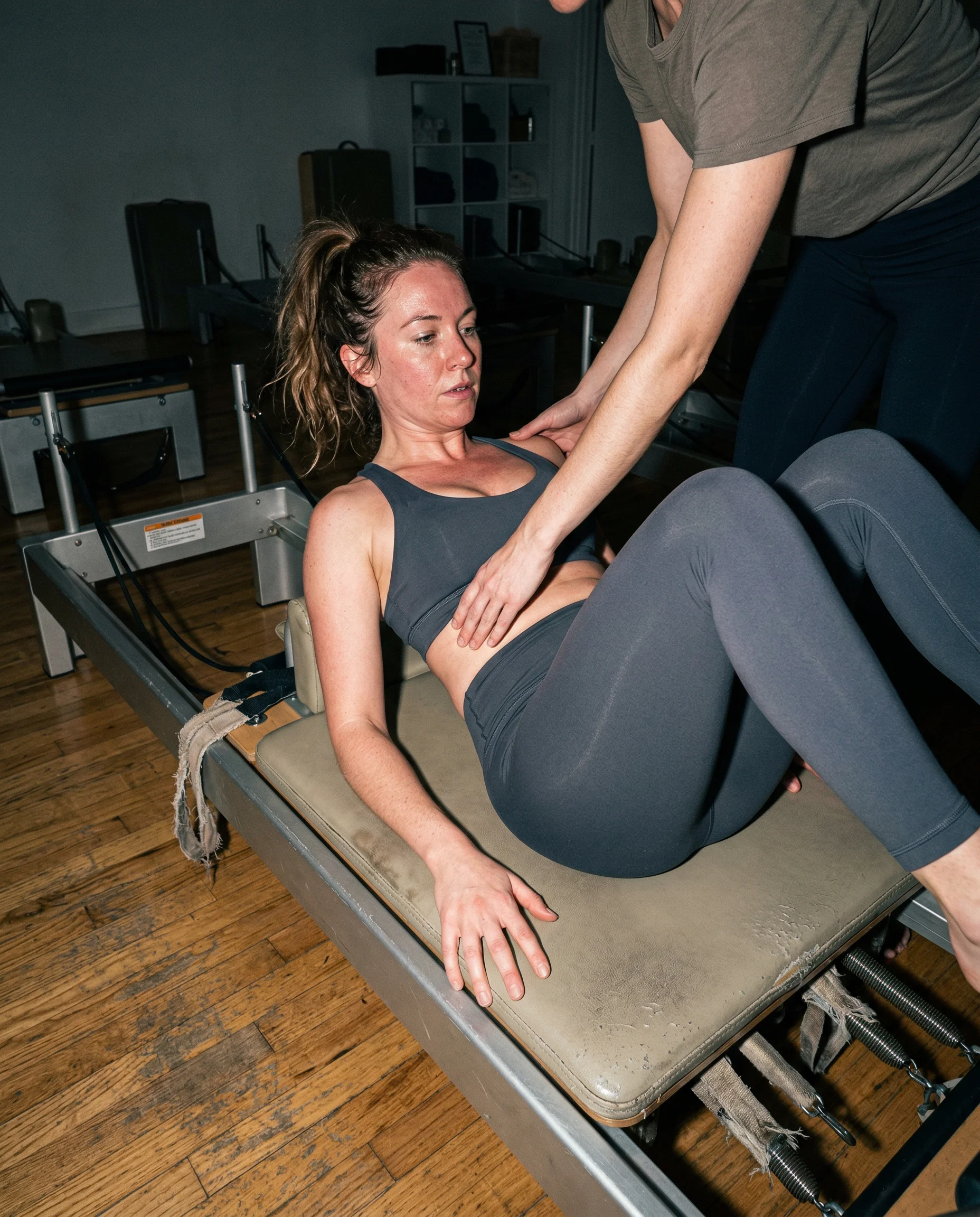
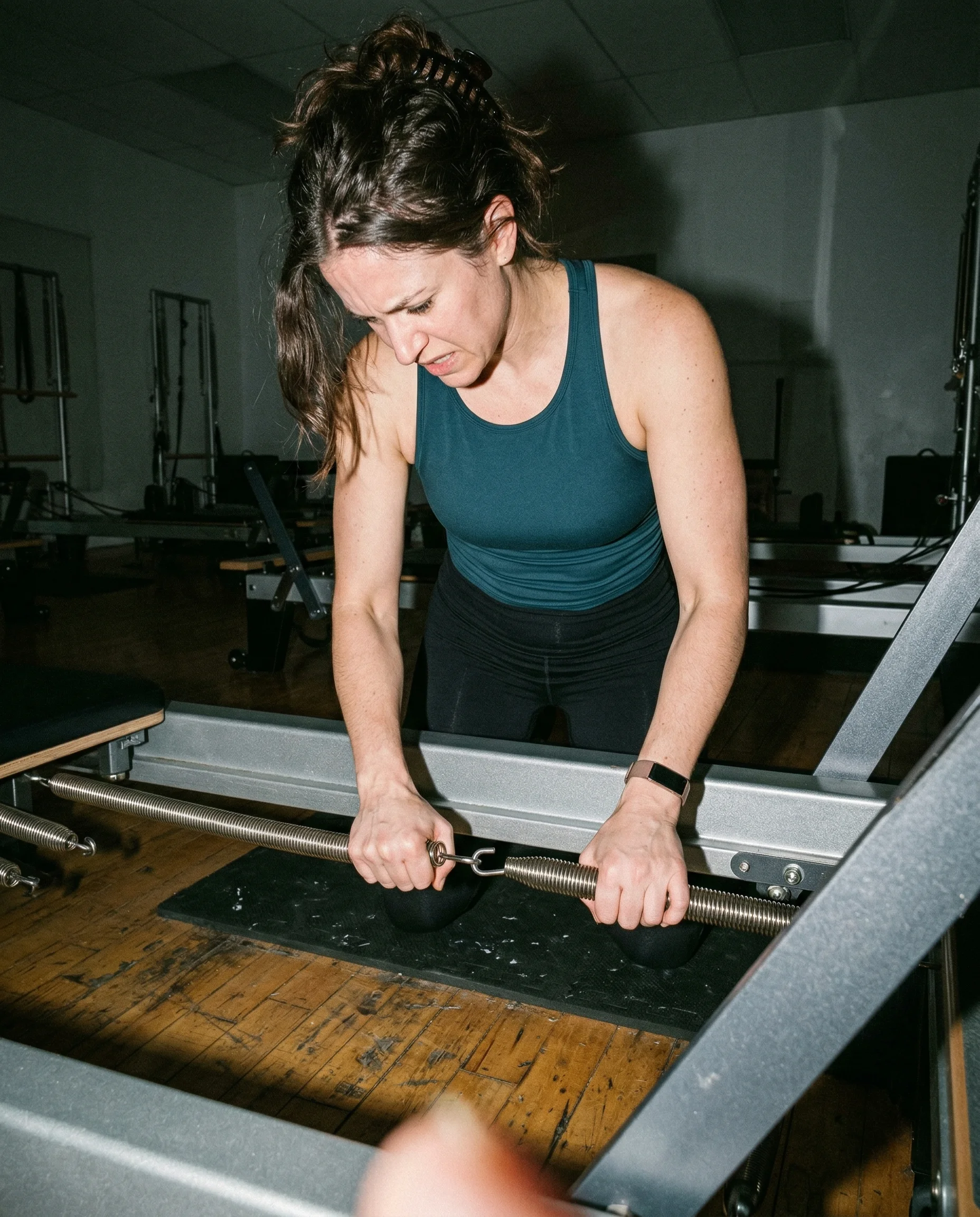
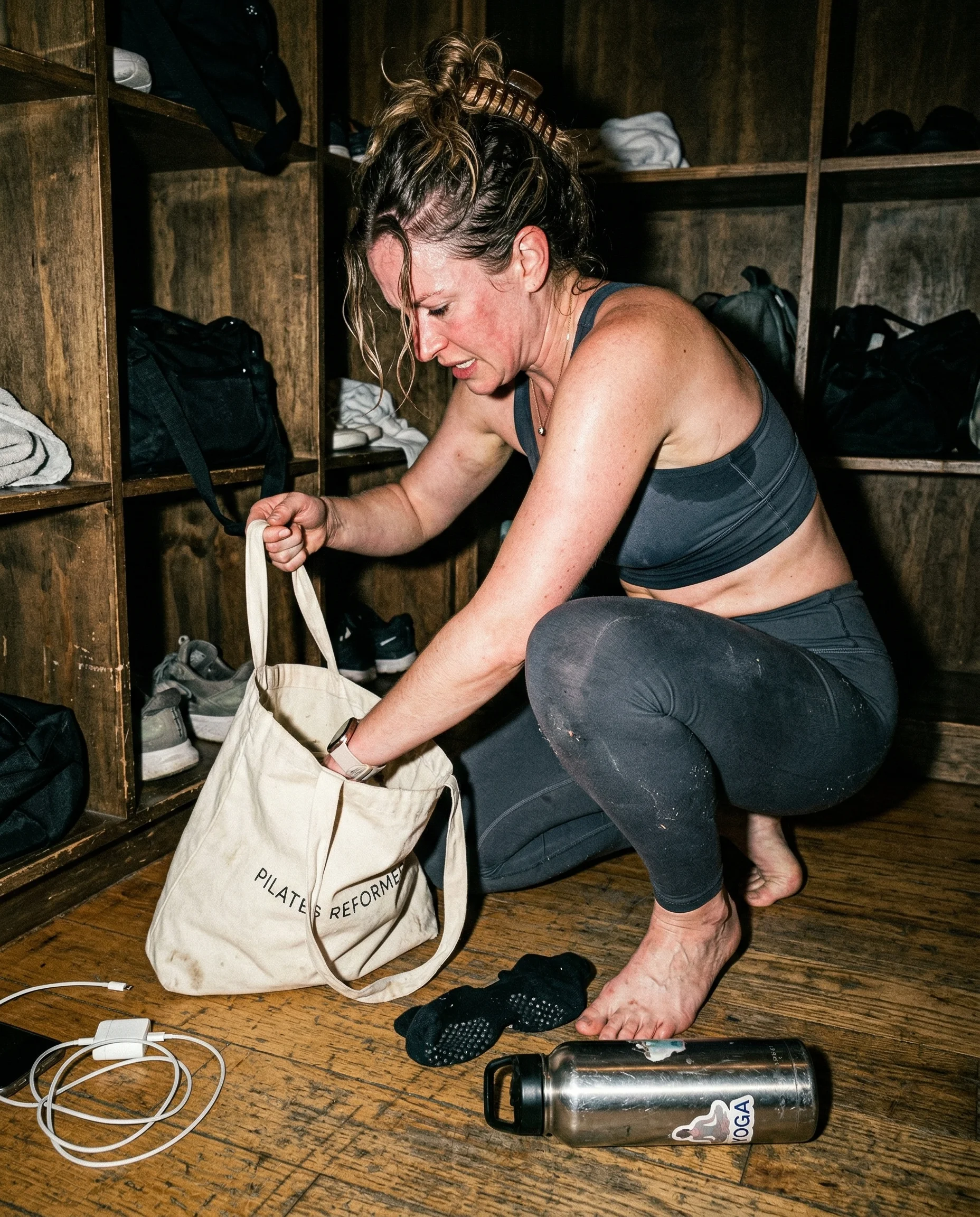
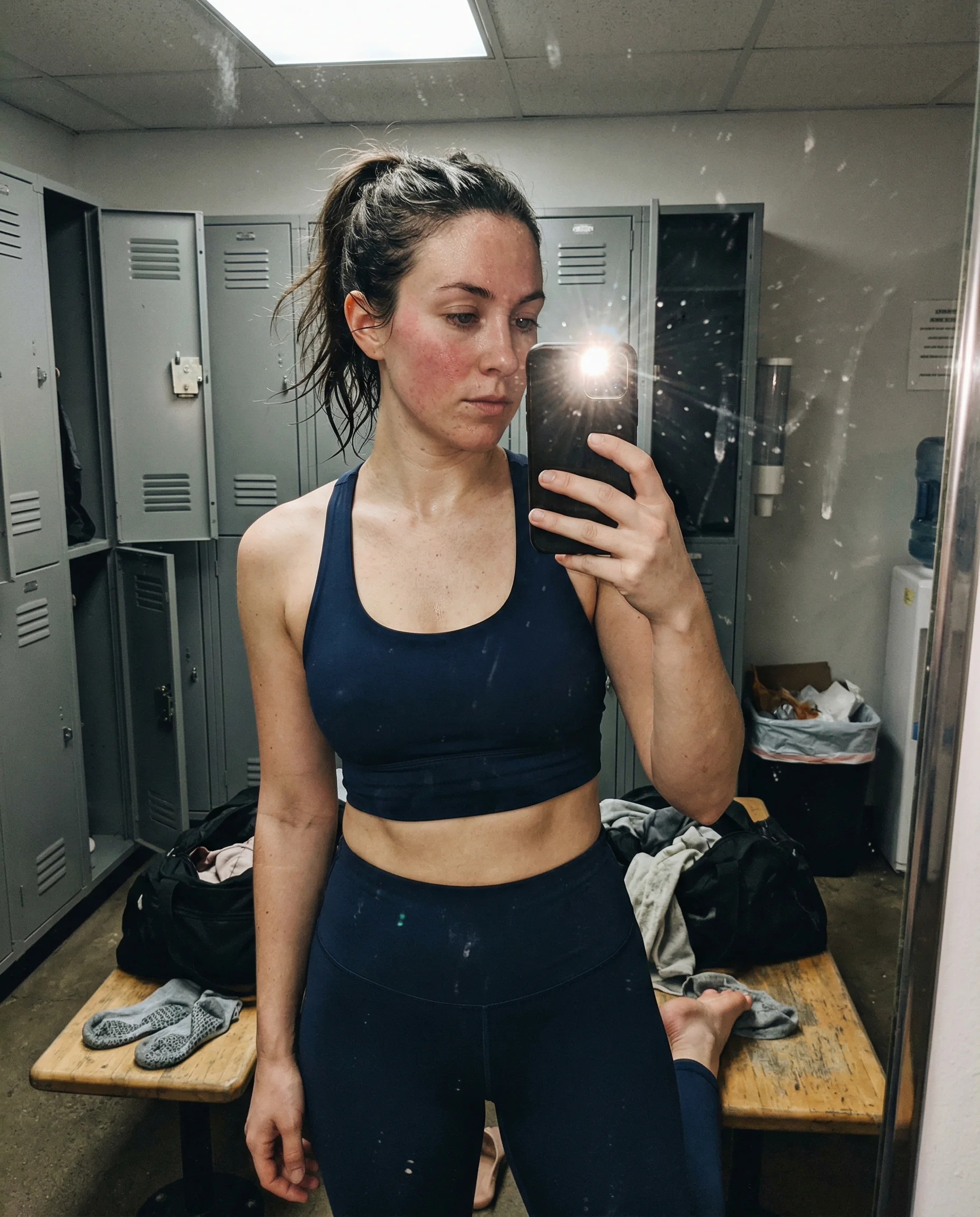
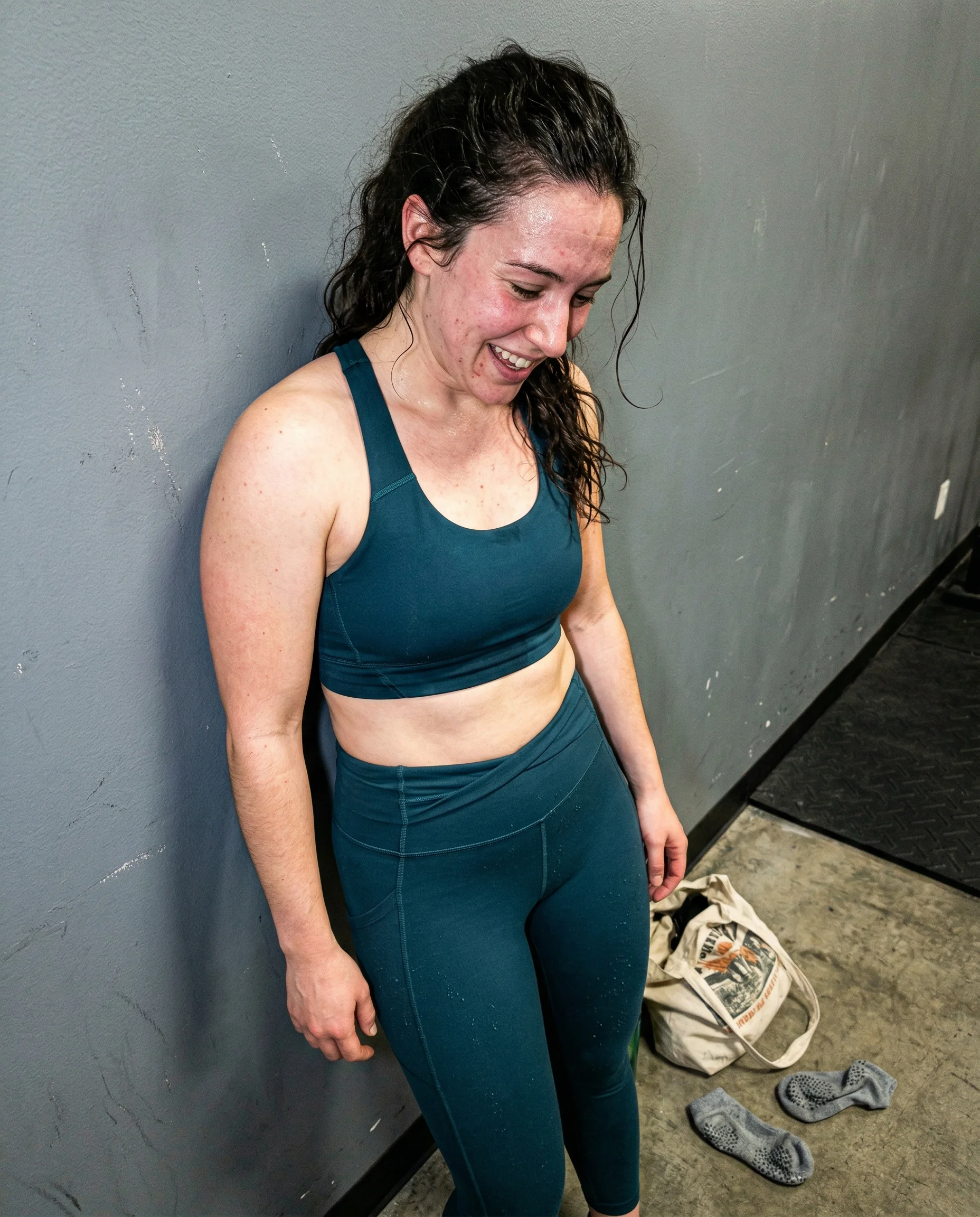
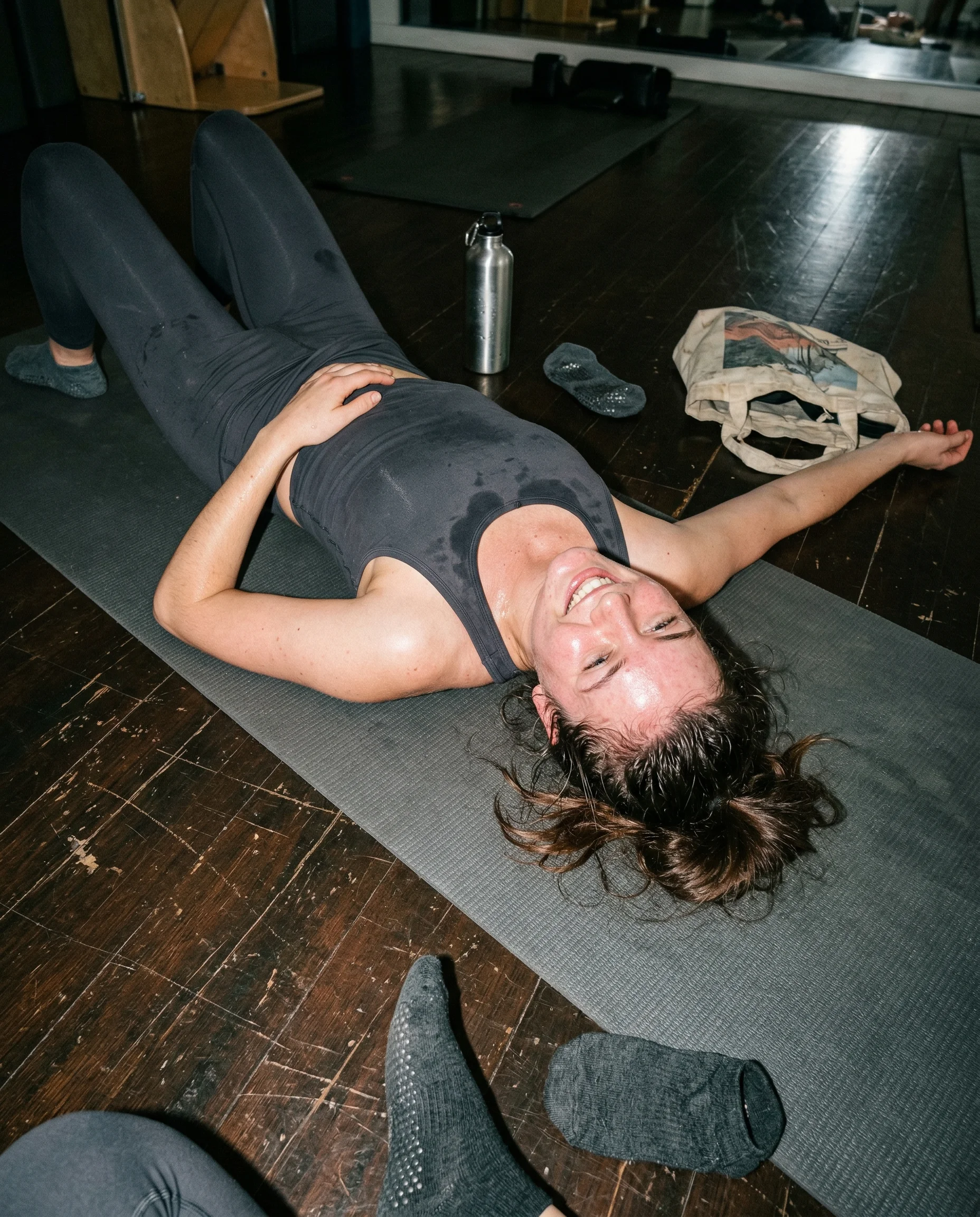
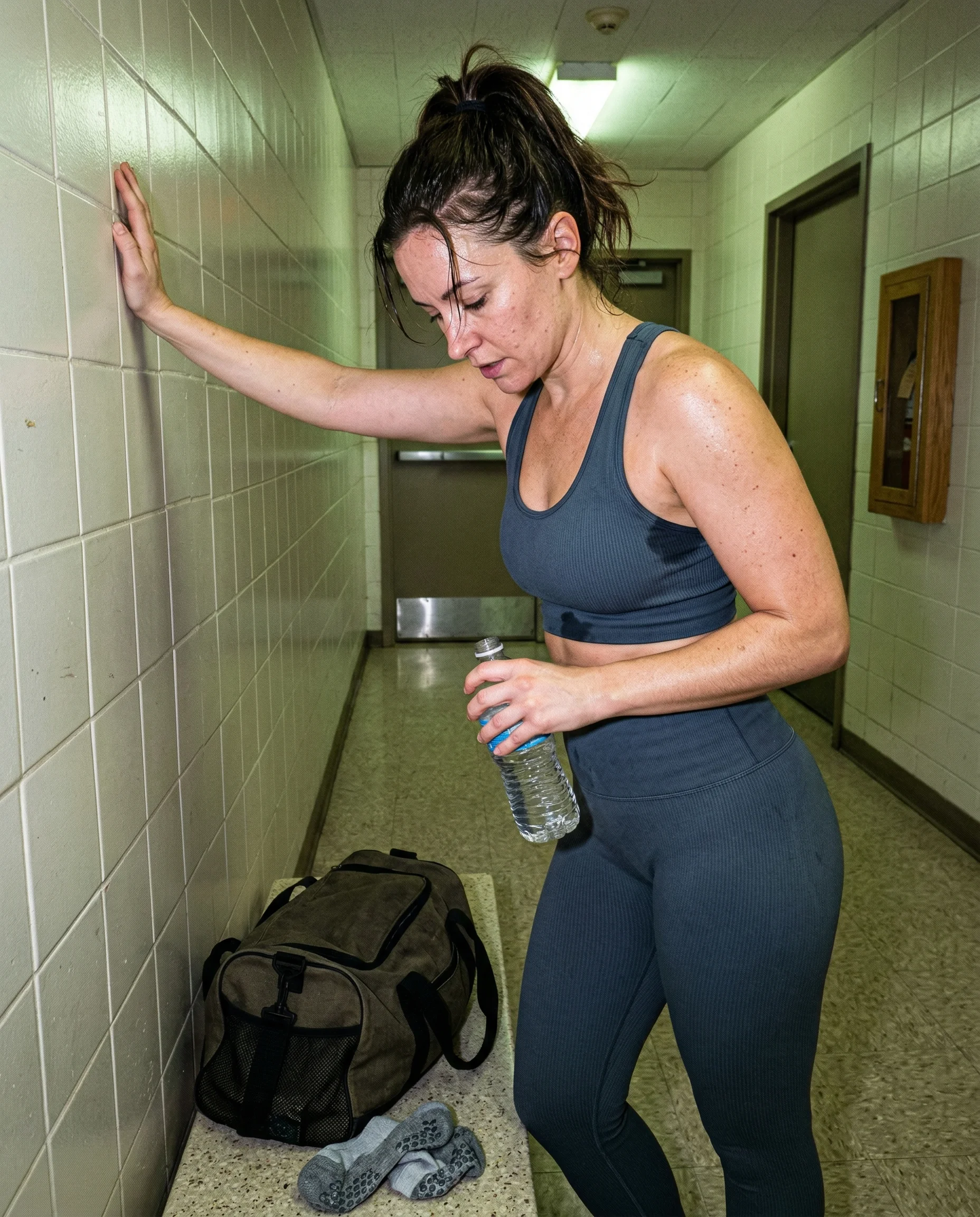
harsh flash on concrete and skin
The flash is the most important part of this frame because it’s doing the opposite of what a beauty light would do. Instead of hiding the effort, it’s highlighting it. By using a direct, uncapped flash, the light hits the sweat on her skin and the damp patches on her compression tank, making the moisture look real rather than like a digital gloss. The shadows behind her against the wall are sharp and unforgiving, which keeps the image from feeling like a staged fitness ad. If you soften this light, you lose the grit that makes the exhaustion feel earned.
the disheveled threshold
She’s caught in the middle of a struggle with her sweatshirt, which is a classic, messy human moment that feels unscripted. Her hair isn’t perfectly styled; it’s pulled up with loose tendrils falling out, and the skin texture isn’t smoothed over by any digital filters. The visible pores, the faint sheen of the T-zone, and the slight redness of a post-workout flush are what tell the viewer she just finished a hard session. If the skin were too clean, the whole scene would feel like a stock photo.
scattered gear and discarded shoes
Look at the bench itself—it’s not a clean prop. The canvas tote is dumped open with keys and a phone spilling out, and her sneakers are kicked off carelessly onto the concrete. These small, messy details are the anchor points that prove someone was actually here. The contrast between the heavy grey cotton of the hoodie and the damp, technical fabric of her leggings adds a layer of material reality. It’s these little pieces of debris that make the image feel like a captured moment rather than a set-up. If you take away the clutter, the scene loses its weight and starts looking like a commercial that’s trying too hard to be relatable.
Frequently asked questions
how do i make the skin look realistic without it being too smooth?
Stop trying to hide the texture. Keep the harsh, direct flash and avoid any softening filters. Let the camera capture the pores, the sweat, and the natural unevenness of the skin. If the light is too flattering, it’s going to look fake.
why does the flash look so harsh in this shot?
Because it’s meant to be. A soft, diffused light would make the scene look like a high-end fitness brand campaign. That harsh, direct flash creates those sharp, ugly shadows that make the exhaustion feel real and earned.
what is the best way to make a scene feel like a candid moment?
Focus on the messy, unscripted details. A pair of shoes kicked off, a half-open bag, or a struggle with clothing items like a sweatshirt. These things happen in real life and they disrupt the 'perfect' look that ruins candid photos.
does the camera lens really matter for this look?
The 24mm phone lens is perfect here because it adds just enough barrel distortion to make the space feel a bit cramped and real, like a quick snap taken in the moment. It’s not a lens for a portrait studio; it’s a lens for capturing a scene as it happens.