
Pilates Reformer Spring Adjustment: Raw Studio Candid
Pilates is the post-class collapse where the sweat is real, the reformer springs are heavy, and the studio lighting is unforgiving. No polished fitness marketing here.
Get the next prompt drop
We publish new prompts weekly. Get them in your inbox instead of checking back.
You're in. New drops land in your inbox.
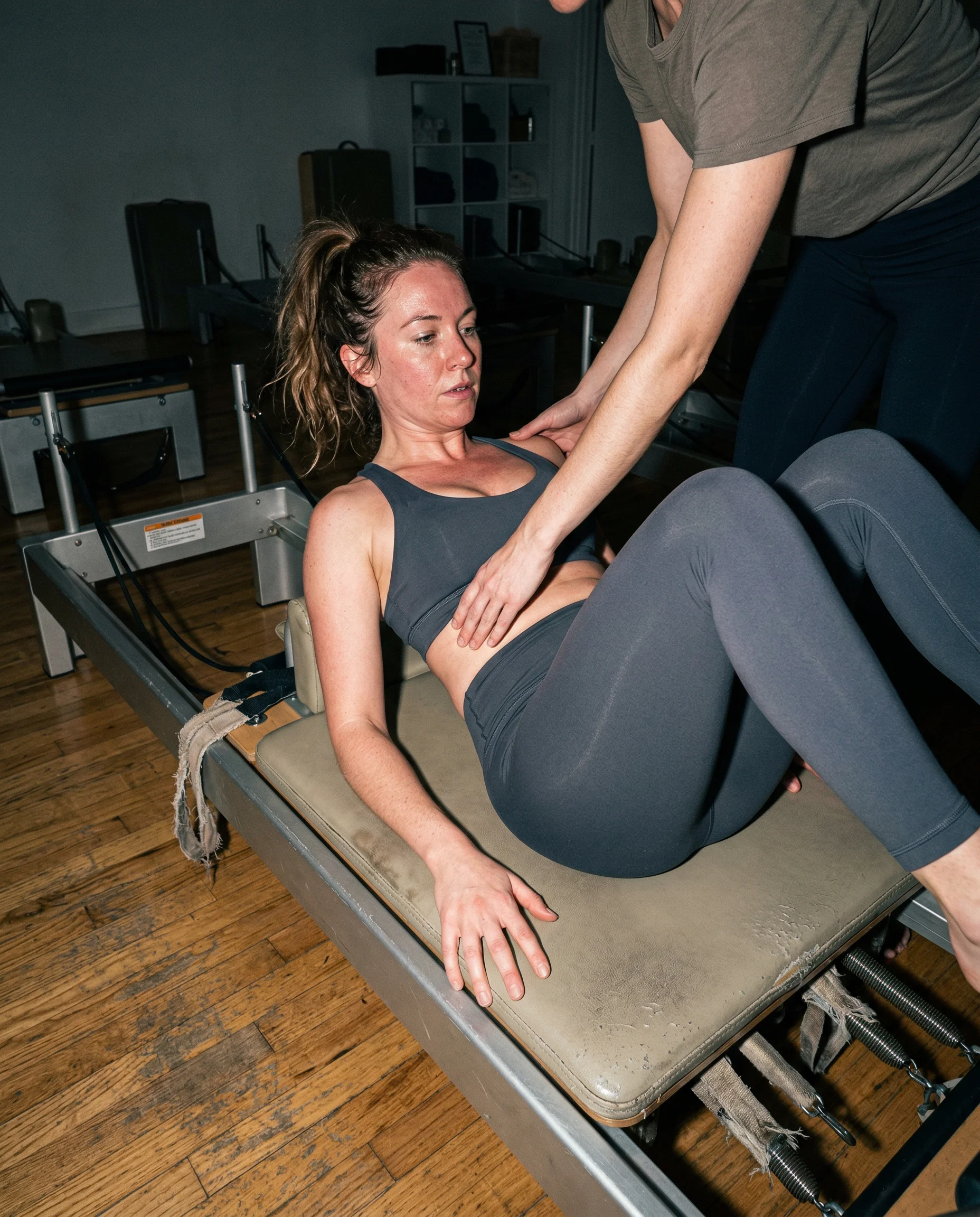
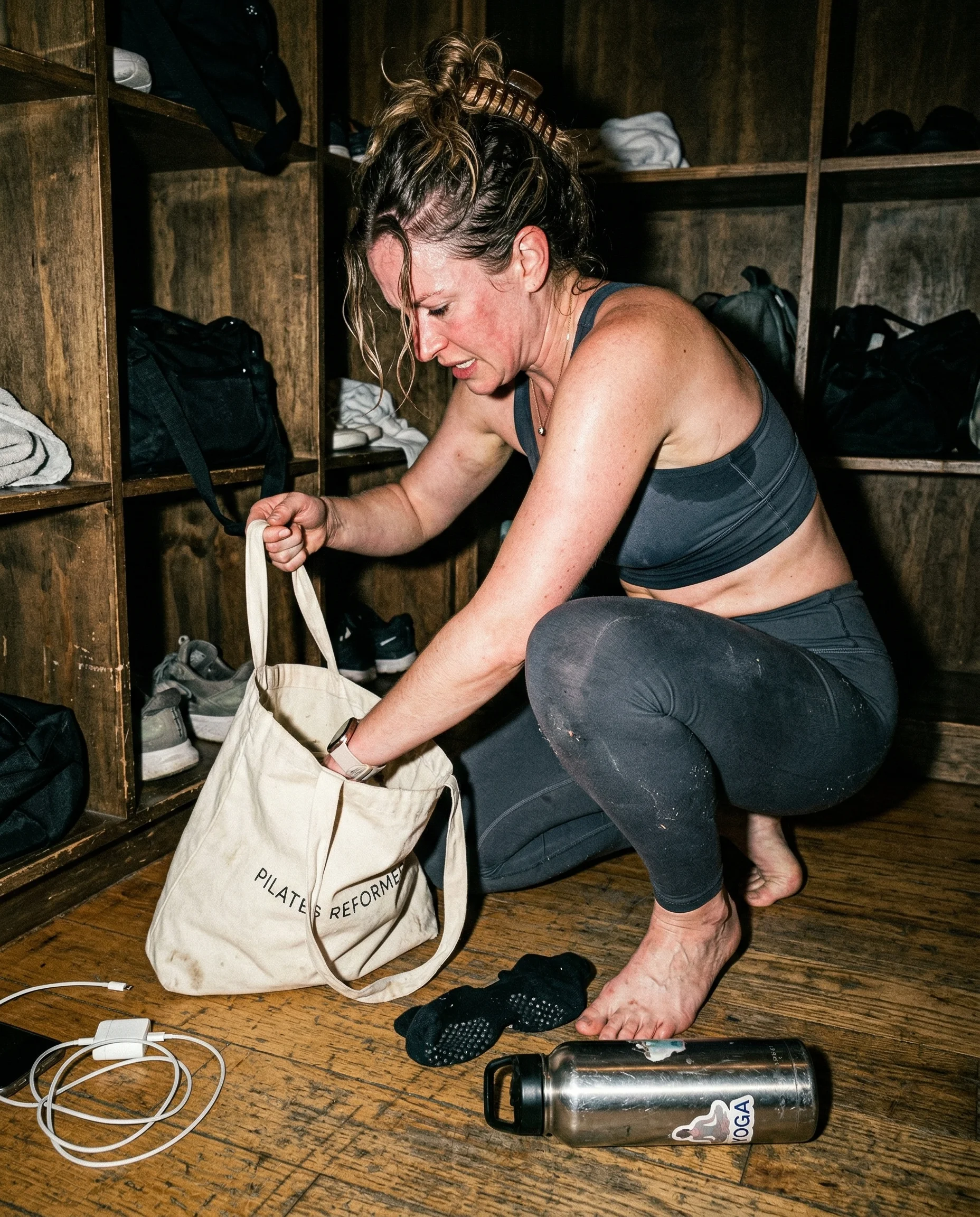
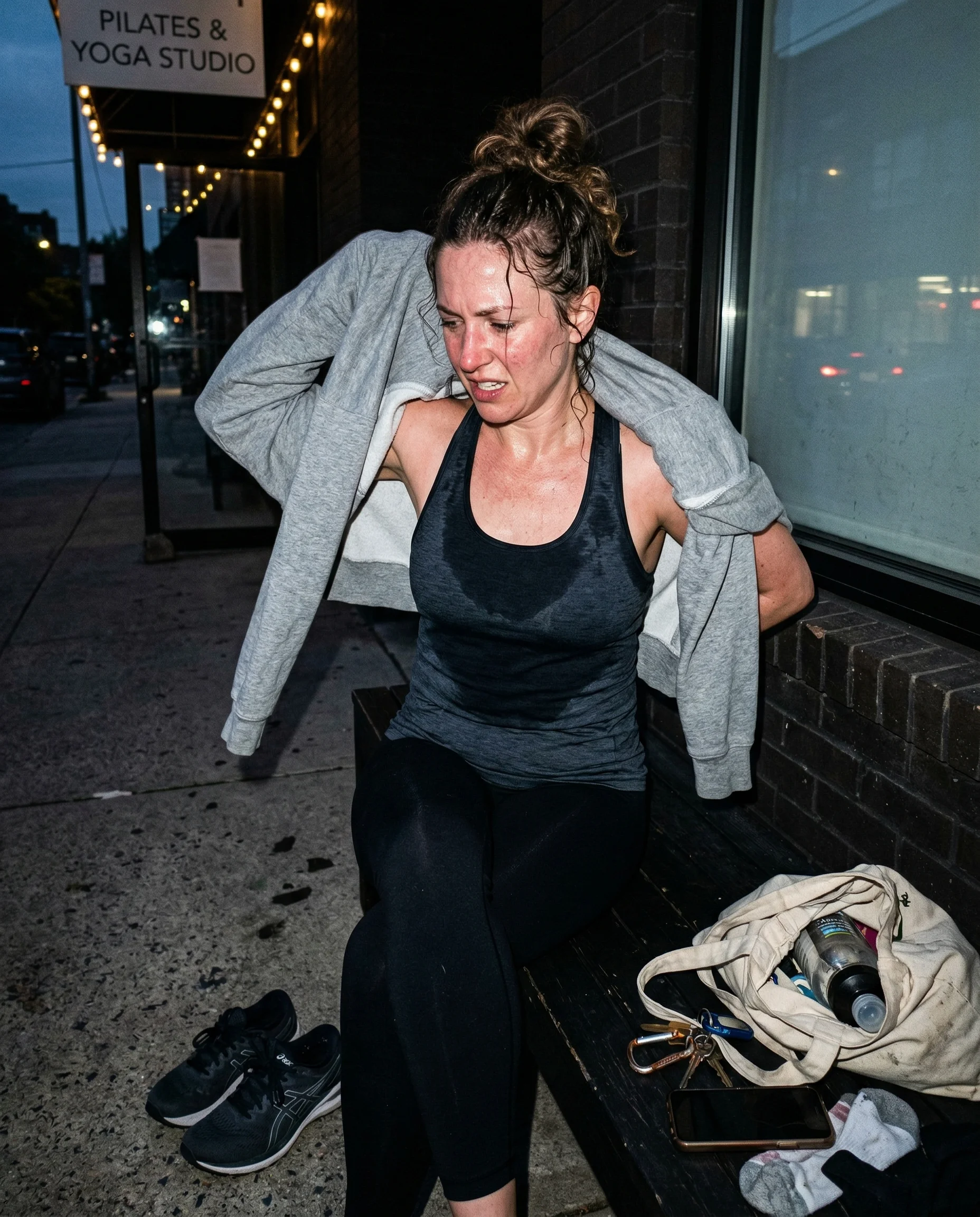
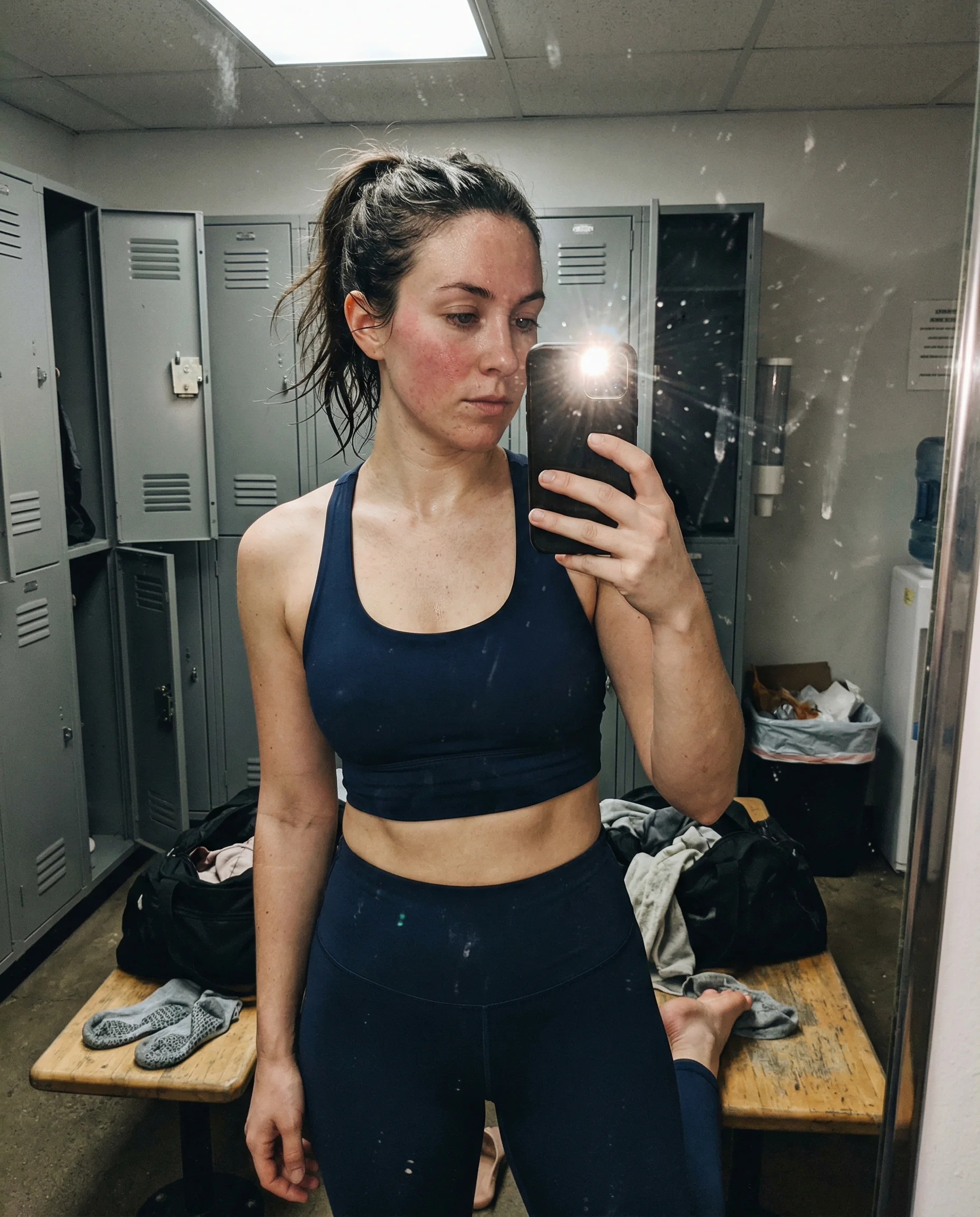
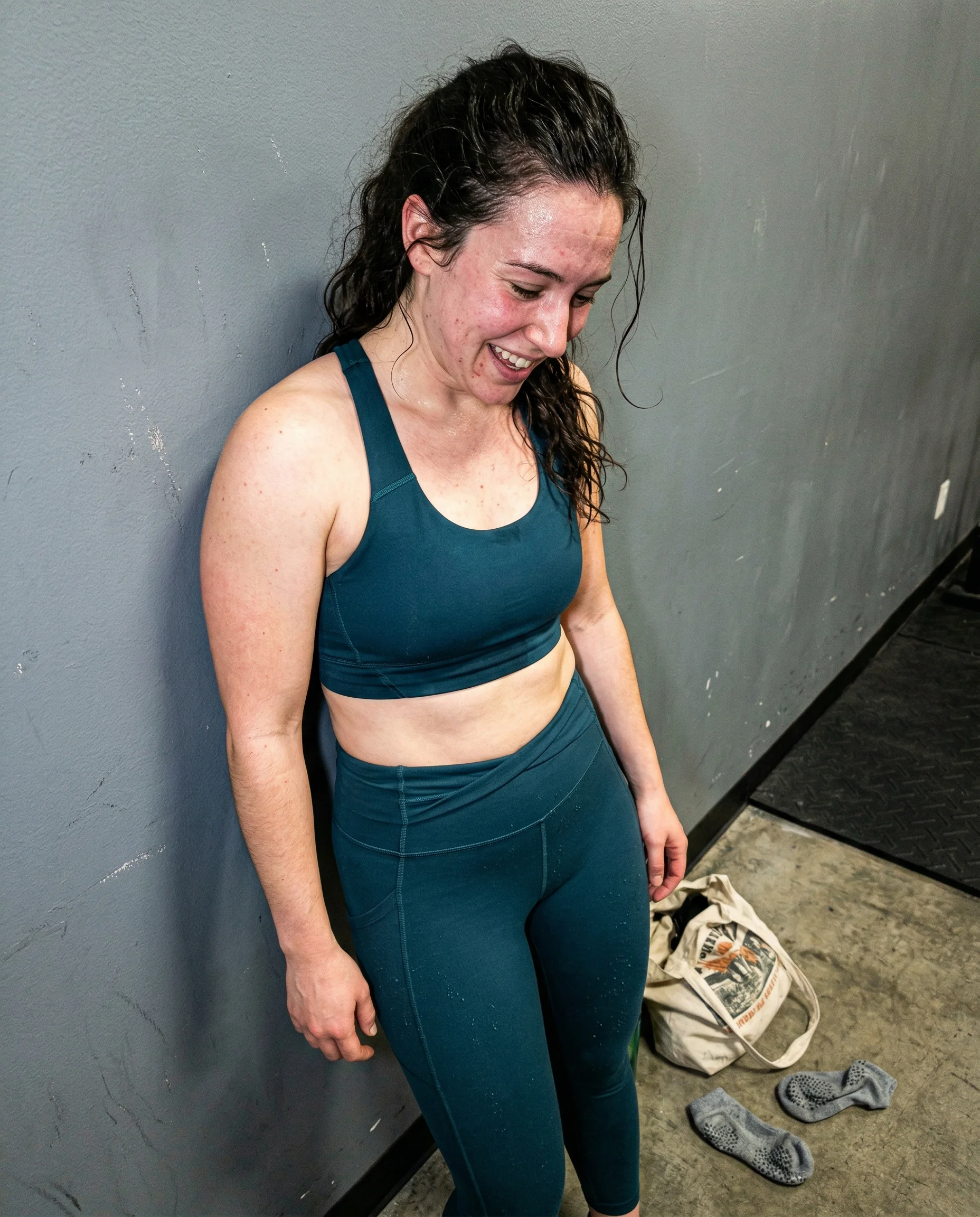
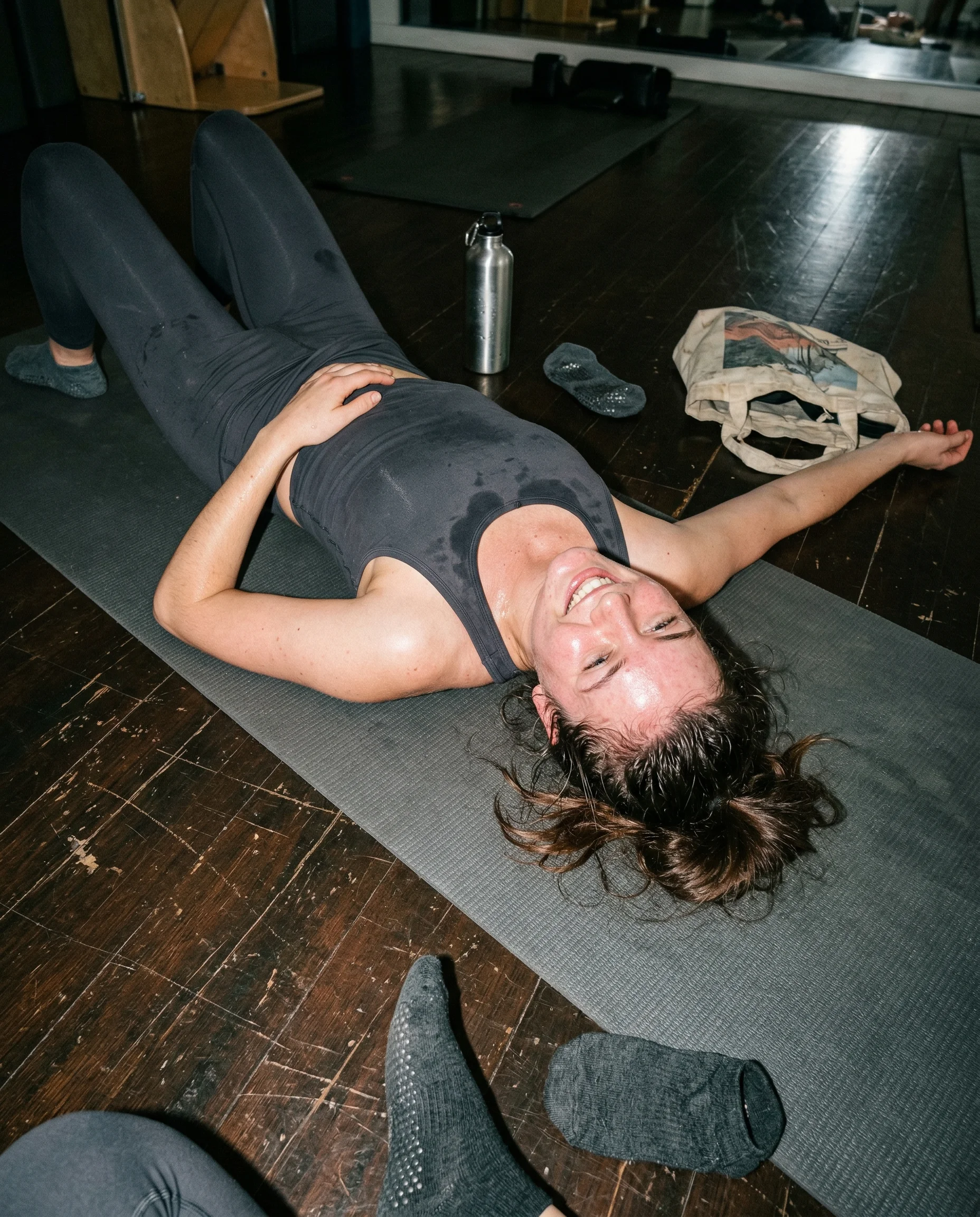
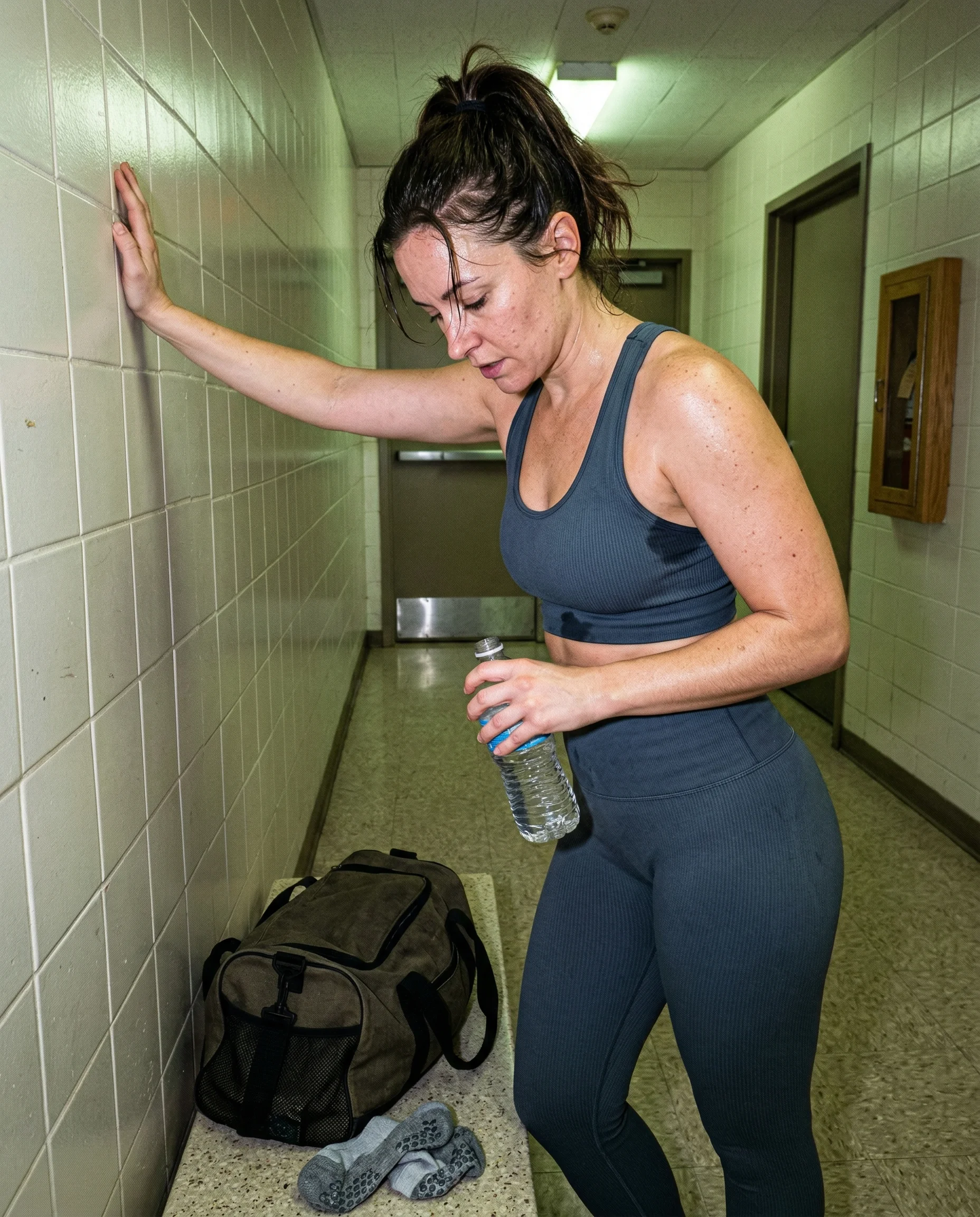
the mechanics of the struggle
The focus stays on the physical resistance of the machine, not the person. When you want a candid look, the easiest way to fail is by making the subject look like they are posing for a fitness ad. Here, the grip on the metal spring is the anchor. Her knuckles are tight, the forearm muscles are engaged, and the awkward hunch of her body is a reaction to the weight of the spring. By keeping the camera low and tight, you force the viewer to look at the equipment’s grime and the way the fabric bunches at her waist, which makes the whole scene feel like a real, tiring moment rather than a set-up.
harsh flash as a reality check
I usually need the flash to stay a little rude here. If you use soft, diffused light, you lose the grit that makes the effort feel earned. The direct flash hits the scuffed rubber mat and the metallic texture of the springs, creating sharp, unforgiving shadows that don’t hide anything. When the light is this blunt, it highlights the texture of her skin—the T-zone sheen, the pores, and the loose strands of hair escaping her clip. If the image feels too clean, the lie shows up immediately. The flash should be doing nobody any favors; it should expose the dust on the floor and the reality of the workout gear.
the evidence of use
It is the small, messy markers that prove someone was actually here. The scuffs on the floor, the way the compression fabric bunches at her waist from the forward lean, and the slightly smudged lens all work together to kill the polished studio aesthetic. The messiness of her hair and the concentration on her face are not about looking good; they are about the frustration of the task. By keeping the frame grounded in these tactile details—the grit on the floor and the tension in her hands—the image stops feeling like a catalog shot and starts feeling like a piece of evidence from a long, exhausting session.
Frequently asked questions
how do i stop the studio from looking like a pristine showroom?
Use harsh, direct flash instead of soft lighting. You want the light to be slightly rude—it should highlight the dust on the floor, the smudges on the equipment, and the imperfections in the skin. If the image starts looking too flattering, it loses that gritty, post-class feel.
why does the compression fabric look so realistic here?
It is all about the bunching. When you prompt for a forward lean or a hunched posture, the fabric naturally gathers at the waist. Don't ask for perfectly tailored gear; ask for compression fabric that shows signs of wear and movement.
what is the best way to capture the frustration of a workout?
Focus on the physical interaction with the equipment. If the subject is fighting with a heavy spring or struggling to clip a strap, the body language follows naturally. Avoid asking for determined or happy expressions; look for the blank, tired concentration that comes when you are just trying to get through the set.
does the camera angle really matter for this look?
Yes. Keeping the camera low, near the floor, makes the reformer feel bigger and more imposing. It puts the viewer right in the middle of the mess, looking up at the struggle, which feels much more intimate and real than a standard eye-level shot.