
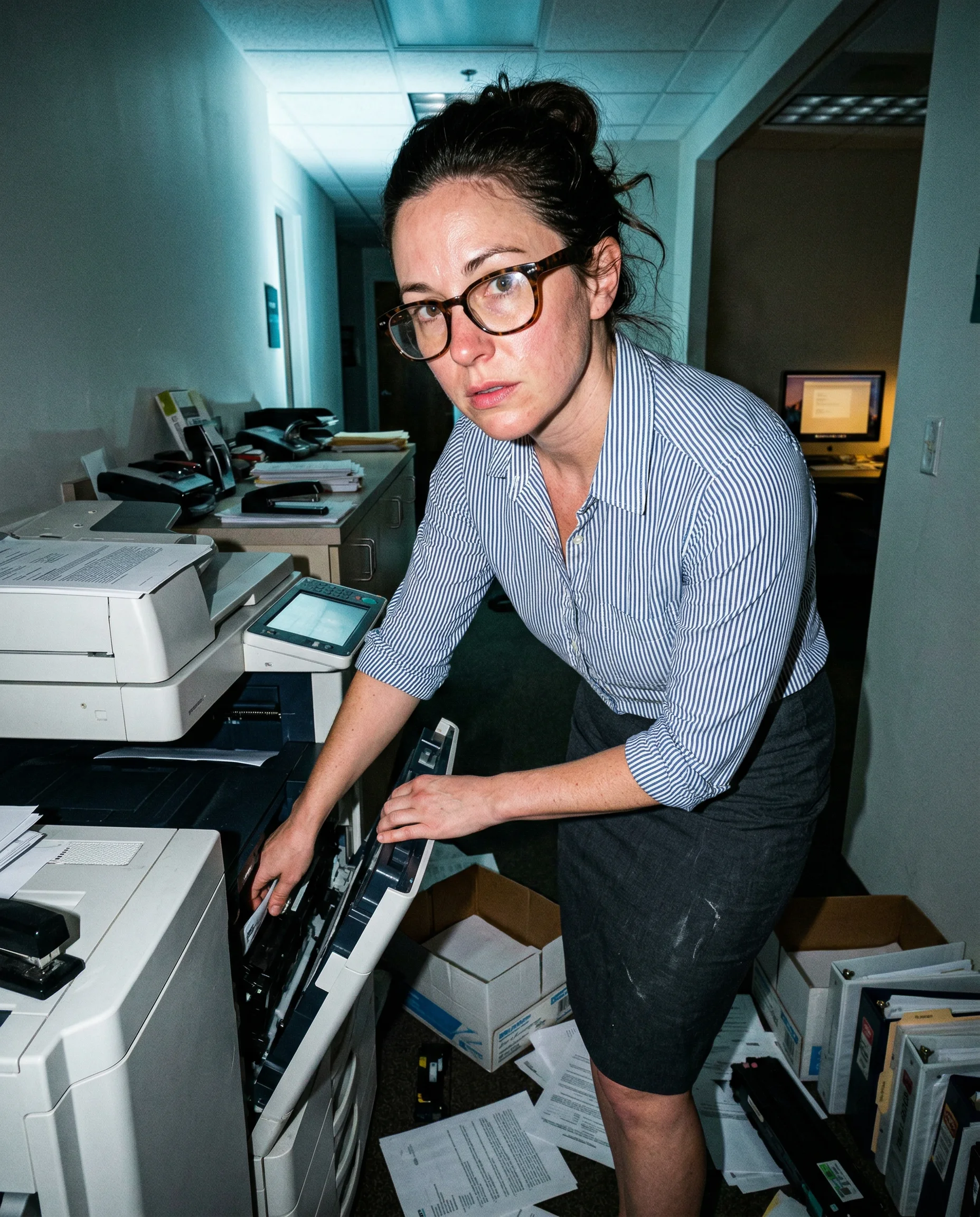
After-Hours Office Hallway Candid with Harsh Phone Flash
Office Siren is sharp tailoring, bad fluorescent light, and the quiet exhaustion of a late night at the desk. These shots trade polish for real-world grit.
Get the next prompt drop
We publish new prompts weekly. Get them in your inbox instead of checking back.
You're in. New drops land in your inbox.

harsh light as an interruption
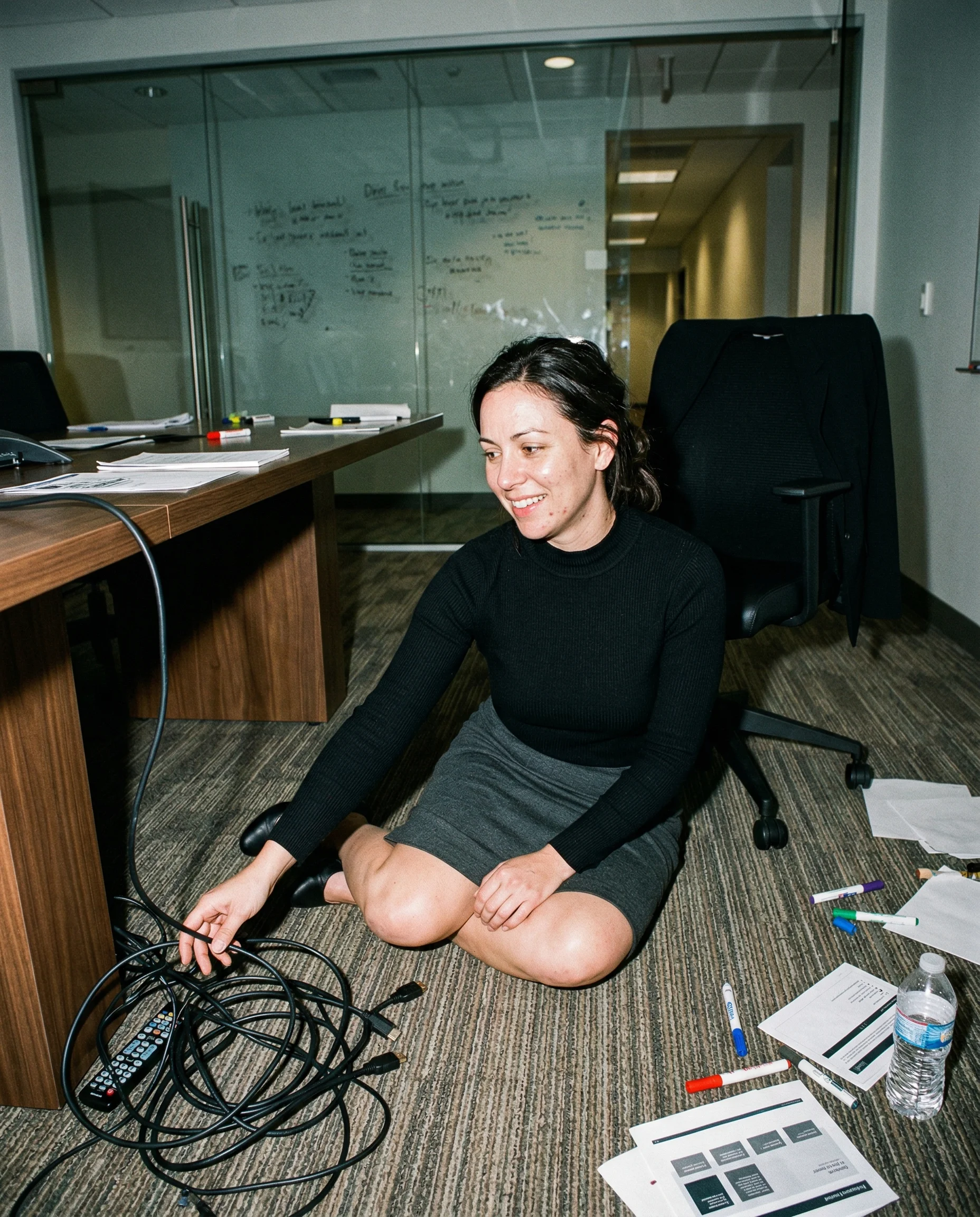
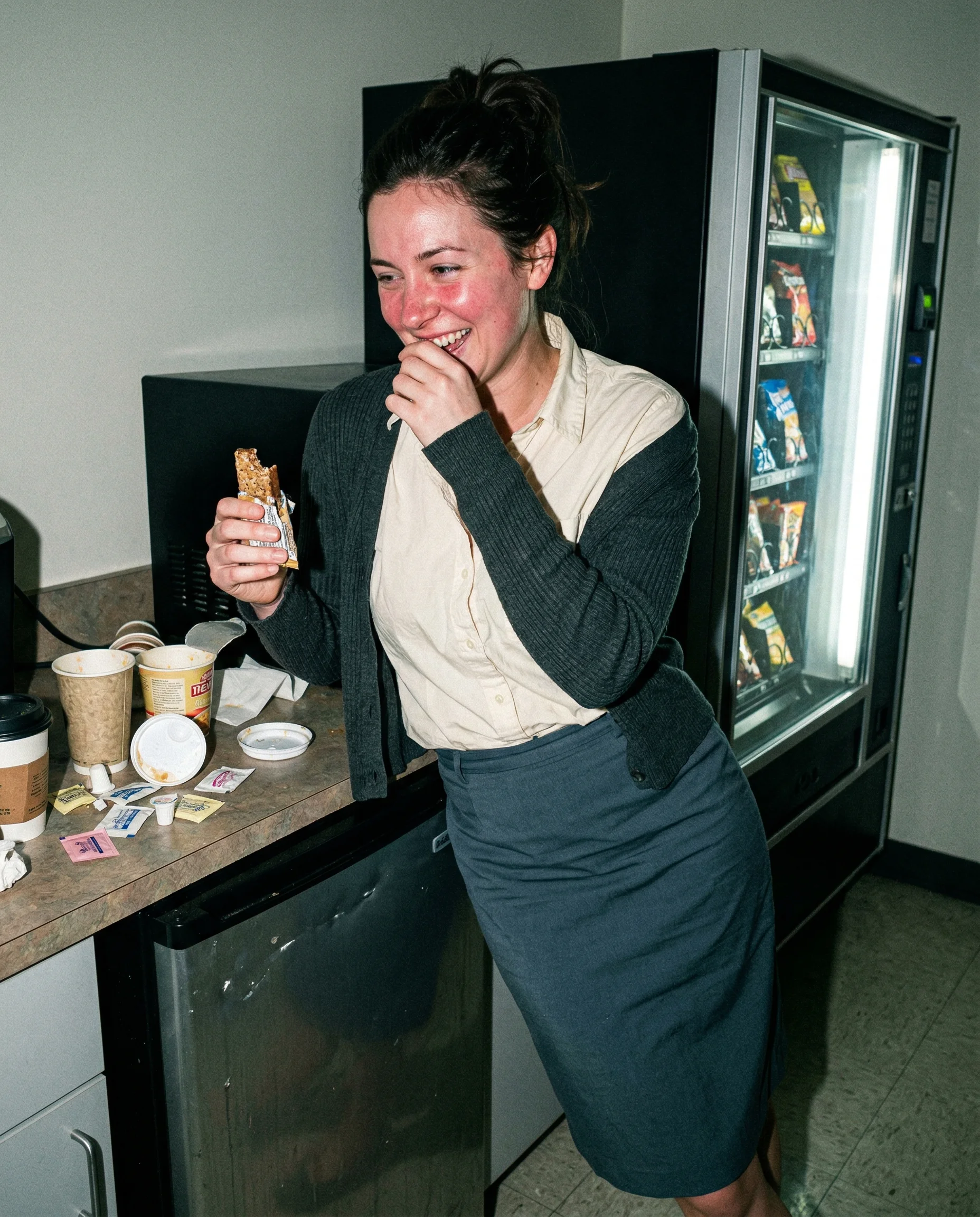
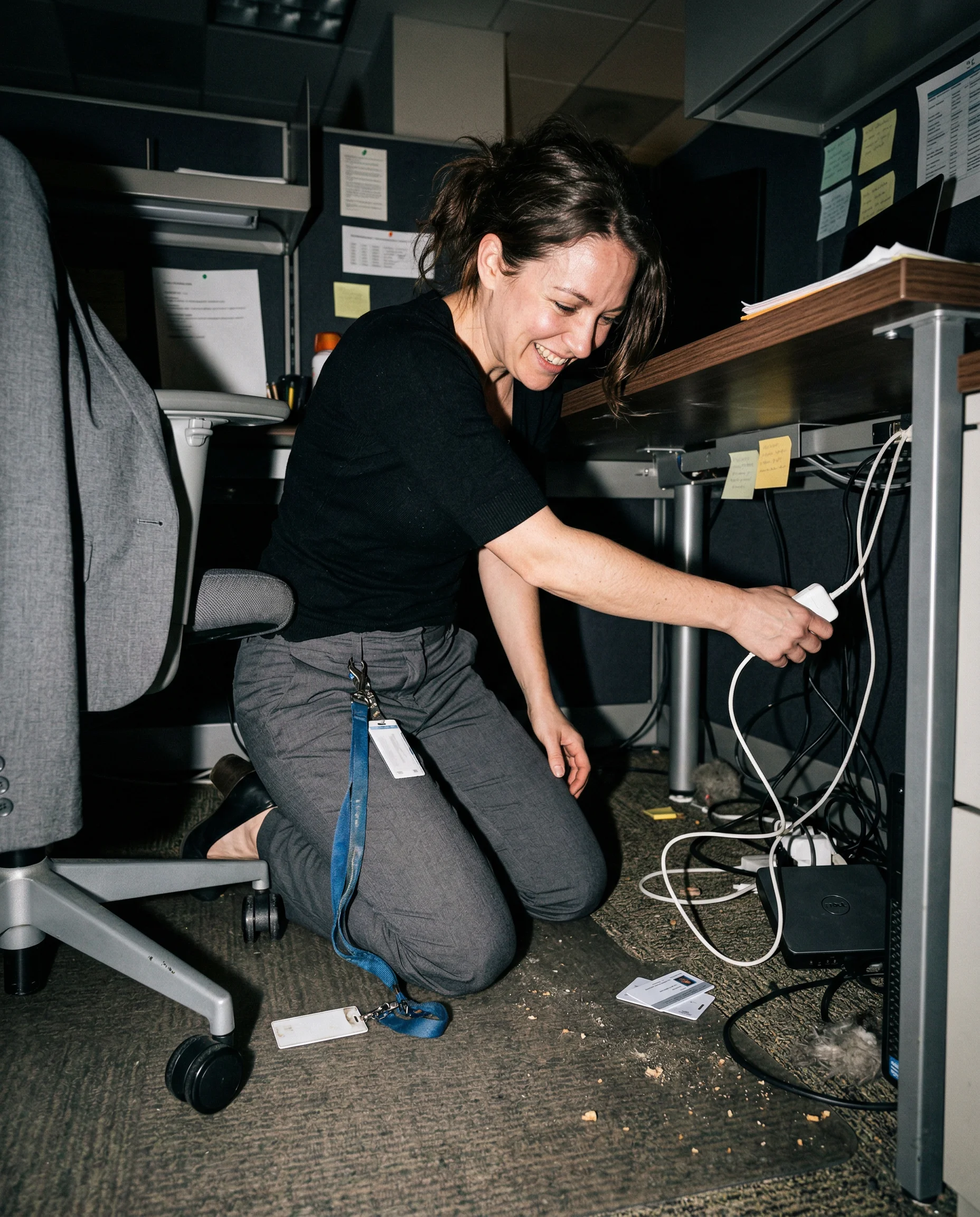
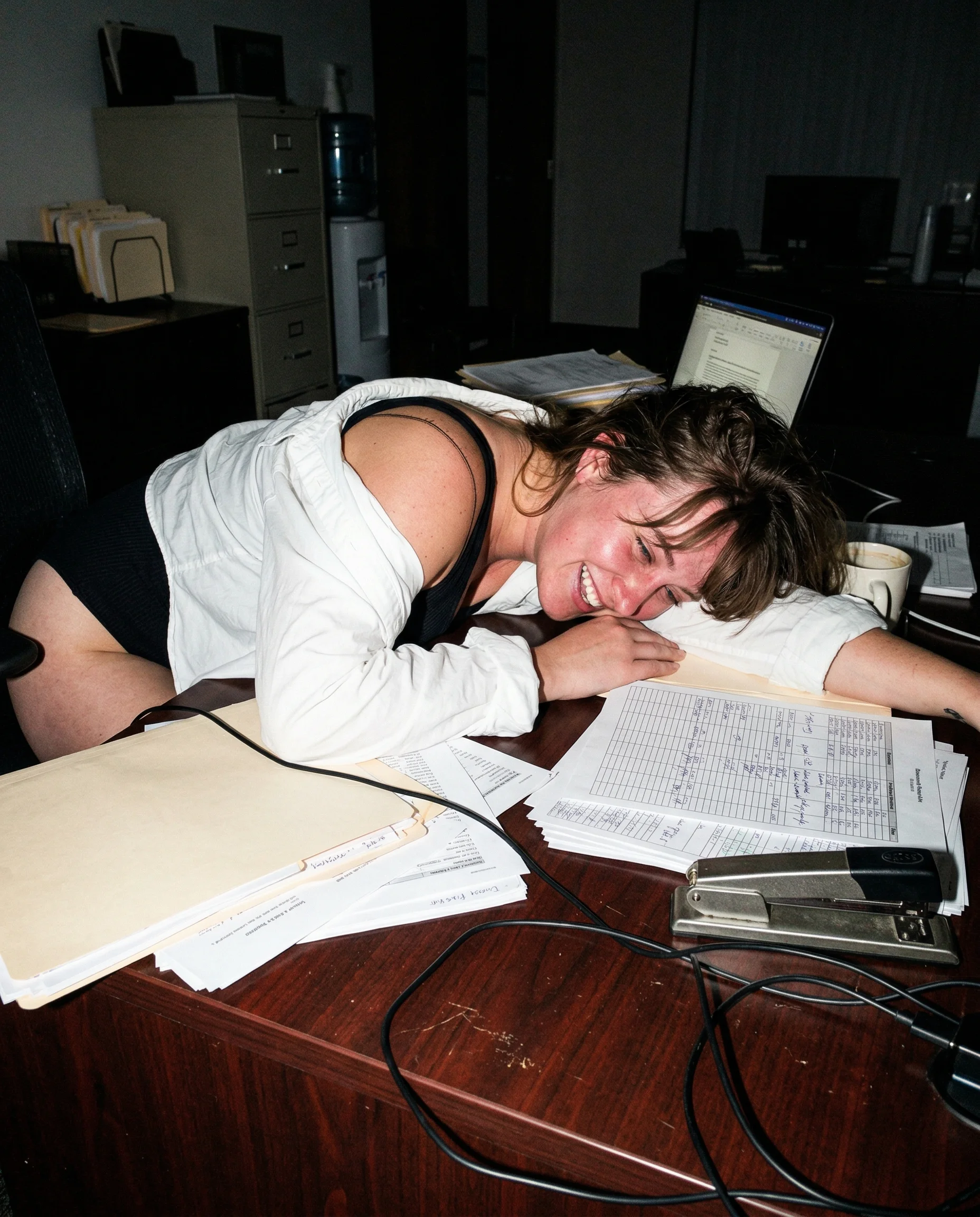
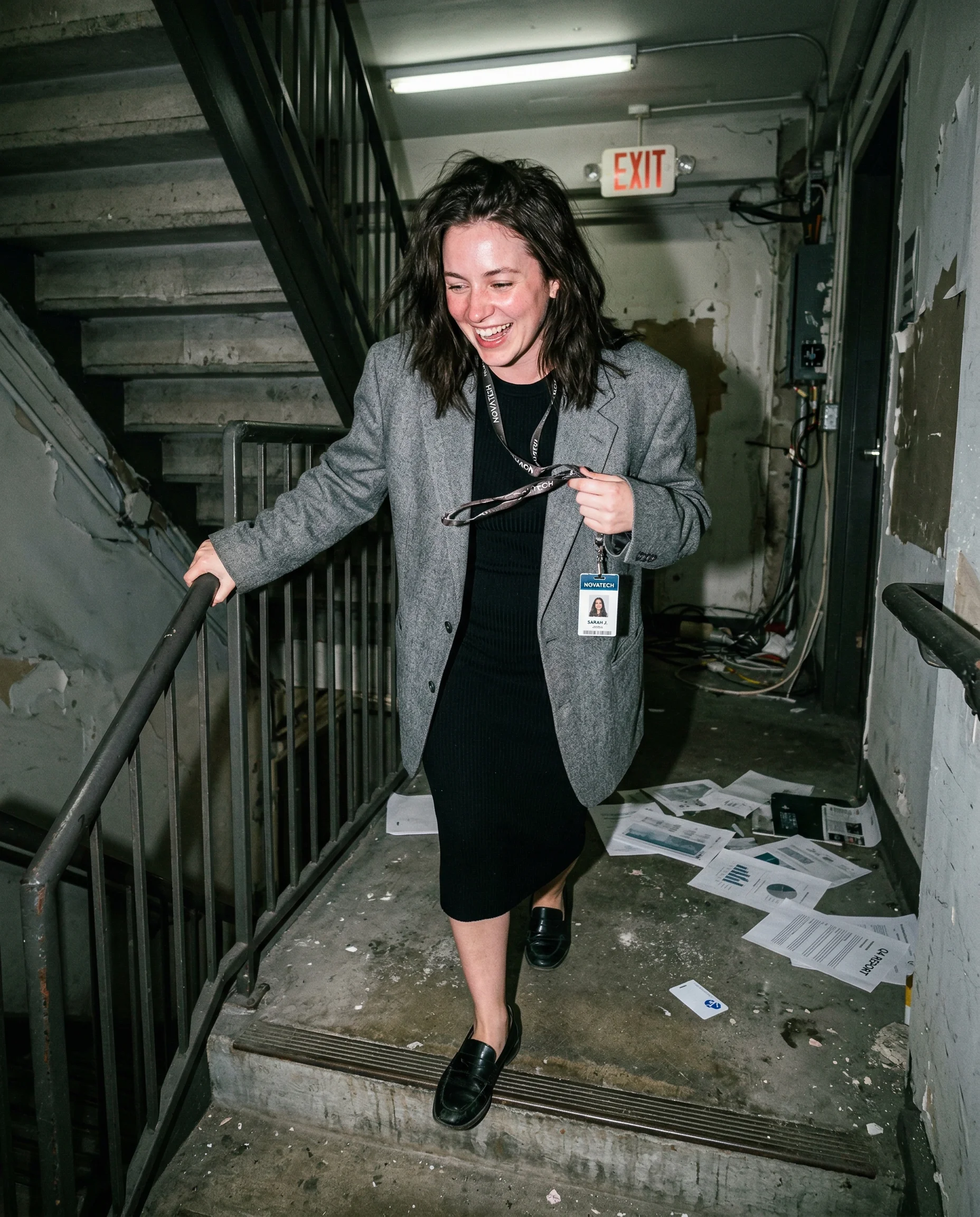
The flash here isn’t trying to be pretty; it’s trying to be intrusive. By using a direct, phone-style light source, you get those sharp, unforgiving shadows behind the subject that kill any sense of staged studio work. When the light hits the face, it shouldn’t be soft or flattering. It needs to catch the T-zone sheen and the uneven skin texture to feel like a genuine, unposed moment. If the lighting starts to look balanced or professional, you’ve already lost the candid feel. Let the overhead fluorescent spill in the background stay sickly and dim—it provides the context that this isn’t a studio, but a real, tired office building at the end of a long day.
the lanyard and the mess
Details like the twisted corporate badge lanyard are what sell the exhaustion. If the badge were sitting perfectly straight, the image would look like a corporate headshot. Instead, the slight skew tells a story of someone who has been moving through a building for ten hours. The same logic applies to the floor. The discarded paper cup and the scattered folders aren’t there for composition; they’re there because a real office hallway is rarely clean. These small, messy artifacts anchor the shot in a specific, unglamorous reality. If you find yourself cleaning up the frame, stop. The clutter is the point.
framing for the phone-camera feel
Shooting from a lower, slightly awkward angle—closer to knee-height—mimics the way a phone camera actually captures a quick, mid-stride moment. This perspective adds a bit of barrel distortion and makes the subject feel caught in motion rather than posing for a portrait. The slight grain and the way the focus pulls just enough to keep the pores and stray hair visible are essential. You want the viewer to feel like they just pulled their phone out of their pocket to snap a quick photo of a coworker walking by. If the image looks too crisp or high-resolution, it starts to feel like a stock photo. Keep it a little bit f***ed up to keep it believable.
Frequently asked questions
How do I keep the skin from looking airbrushed?
Avoid prompts for 'smooth skin' or 'flawless complexion.' Instead, explicitly ask for visible pores, uneven skin tone, and natural sheen. If the AI tries to clean it up, mention specific skin textures like peach fuzz or minor blemishes to force the model to render real-world detail.
Why does my flash lighting look like a professional studio setup?
You are likely using too much diffusion or balancing the light too well. To get that raw, phone-camera look, you need direct, harsh light. Keep the light source centered and avoid terms like 'softbox' or 'diffused.' The light needs to be a bit rude and unflattering to work.
How do I make the office environment look authentically messy?
Don't just ask for an office. Add specific, low-stakes clutter to your prompt, like discarded paper cups, stray folders, or tangled cables. These small, overlooked items make the space feel lived-in rather than like a stage set.
What is the best camera angle for a candid hallway shot?
Avoid eye-level, perfectly framed shots. A lower angle, around knee or waist height, mimics the spontaneous way people actually take photos with their phones. This perspective introduces a slight, natural distortion that makes the image feel like a genuine, caught-in-the-moment snapshot.