
Elevator Mirror Selfie: Late Night Office Fatigue
Office Siren is sharp tailoring, bad fluorescent light, and the quiet exhaustion of a late night at the desk. These shots trade polish for real-world grit.
Get the next prompt drop
We publish new prompts weekly. Get them in your inbox instead of checking back.
You're in. New drops land in your inbox.
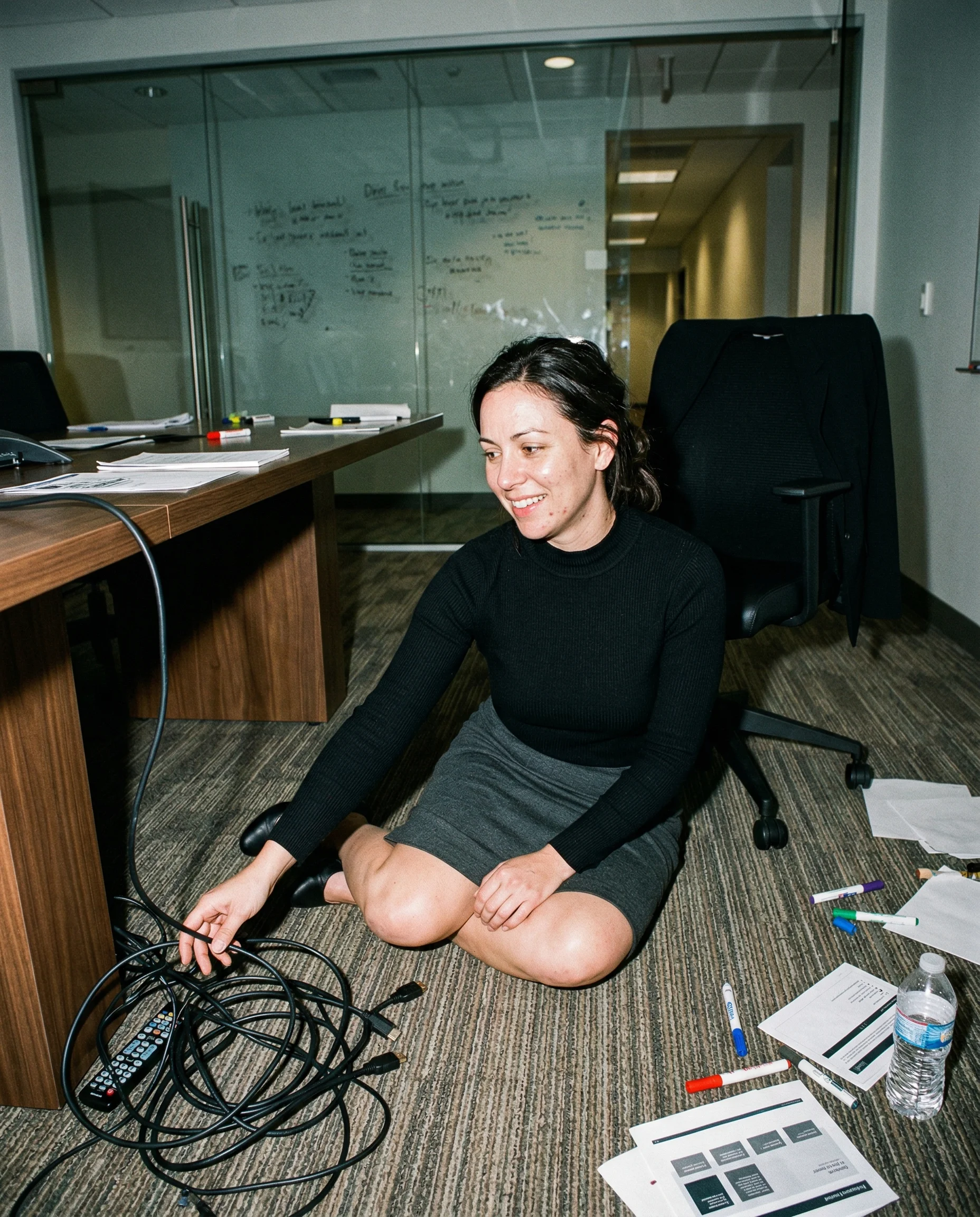
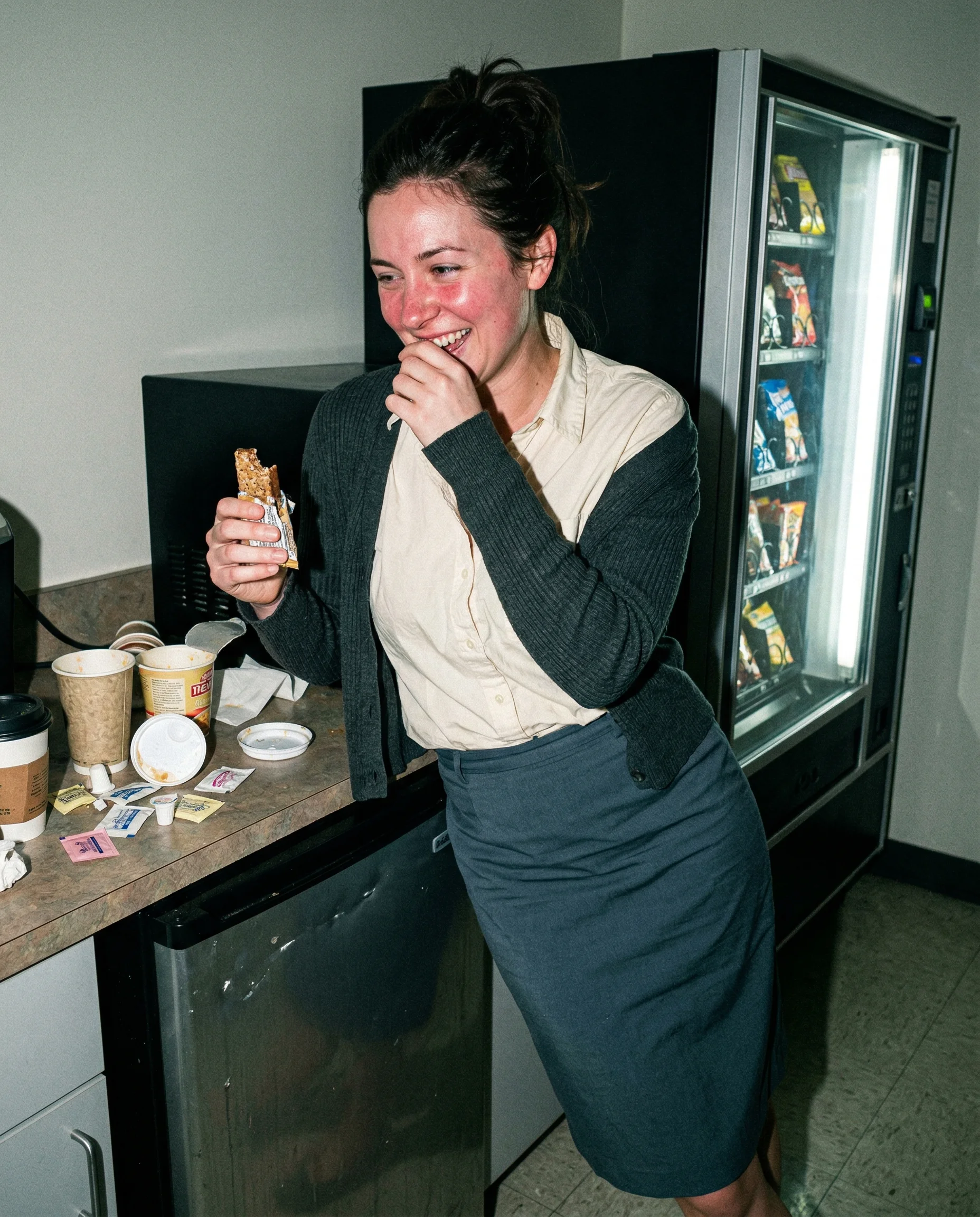
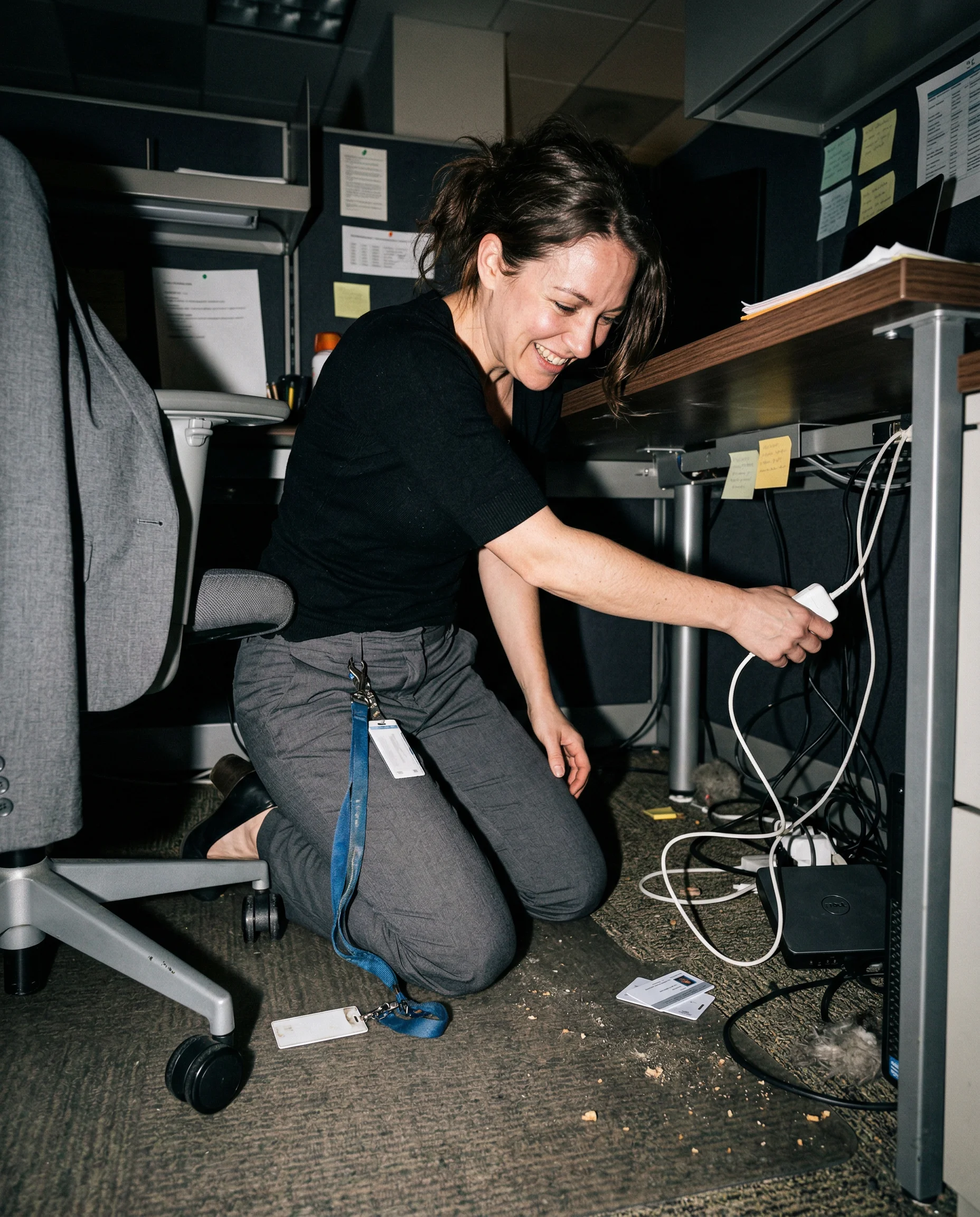
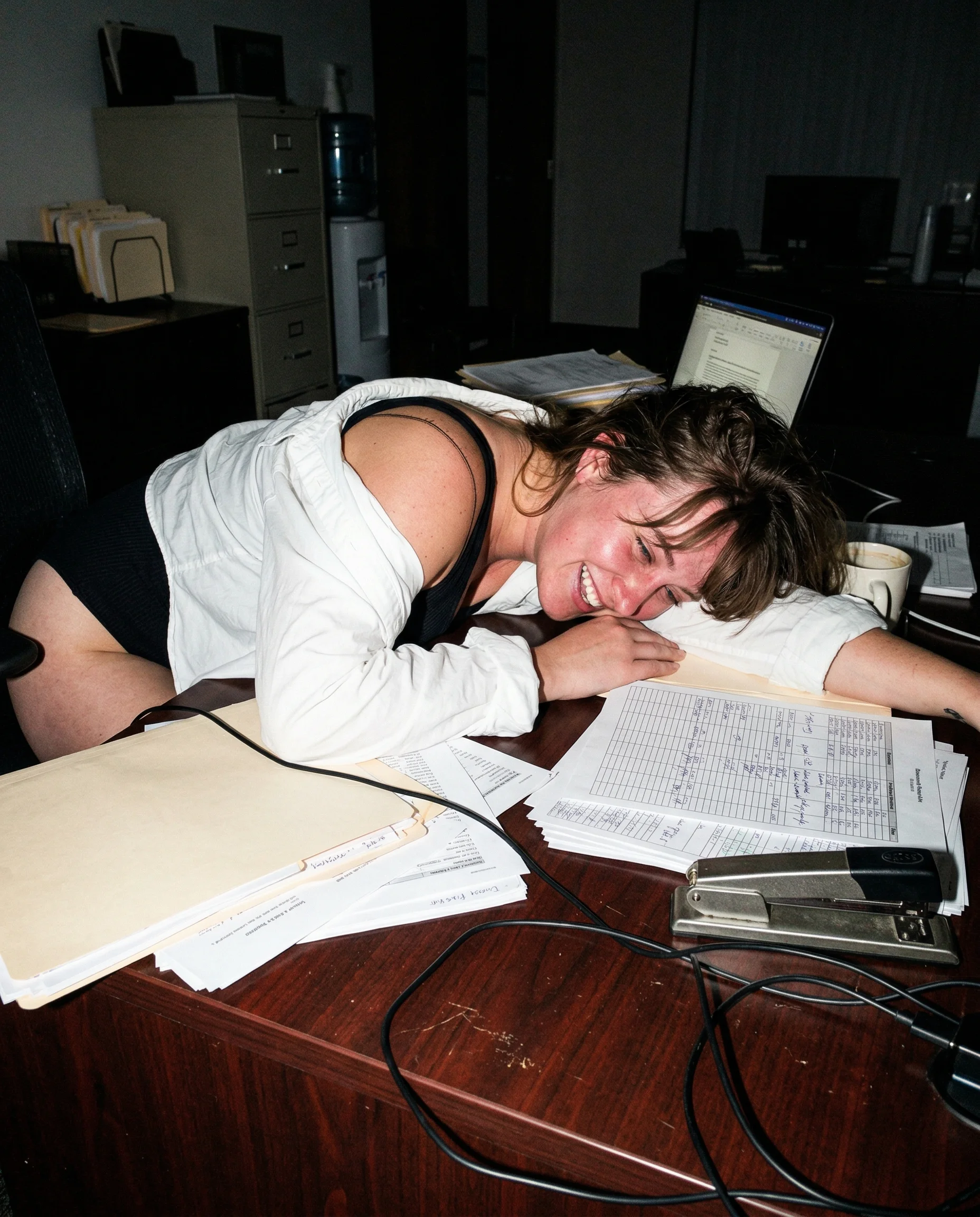
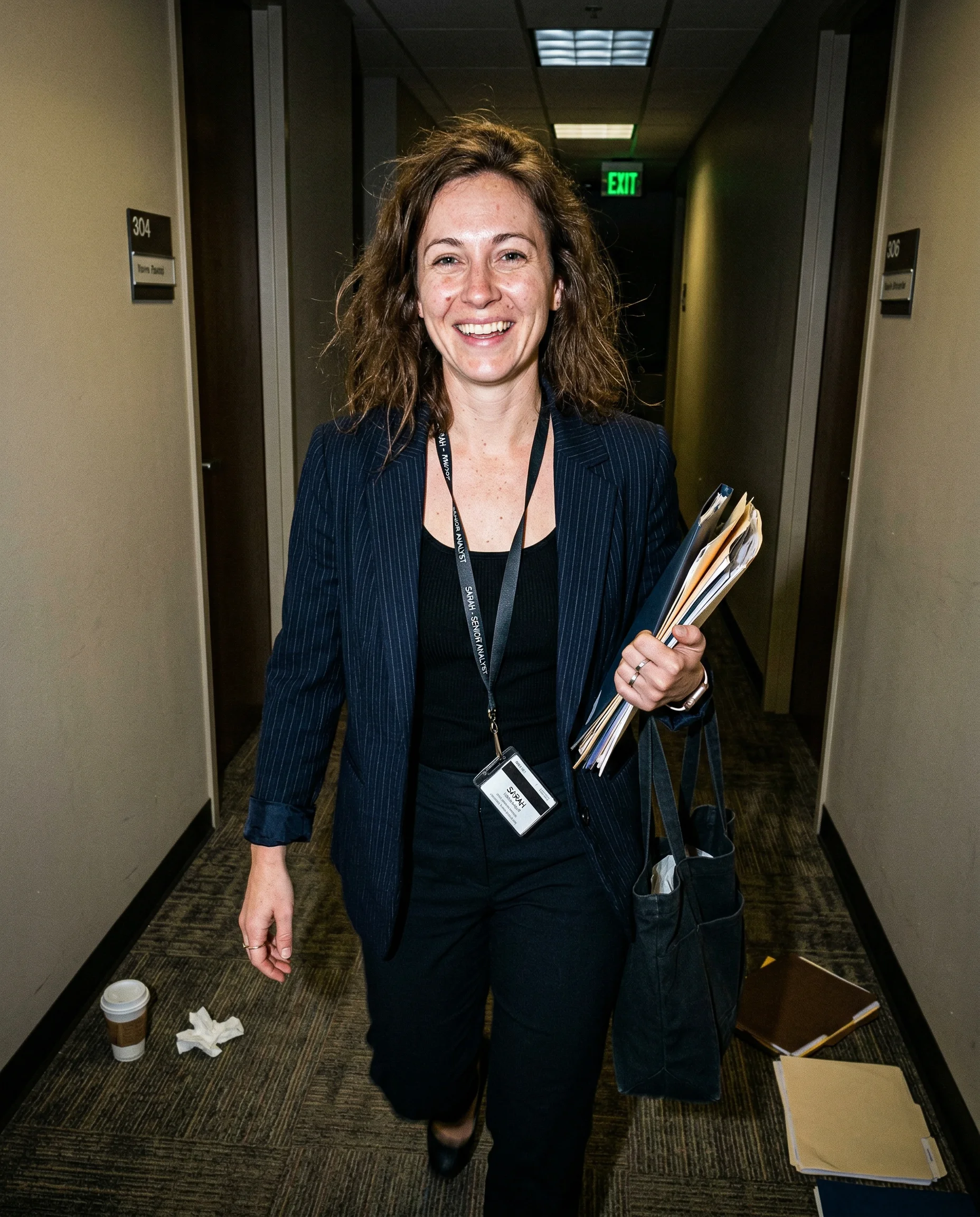
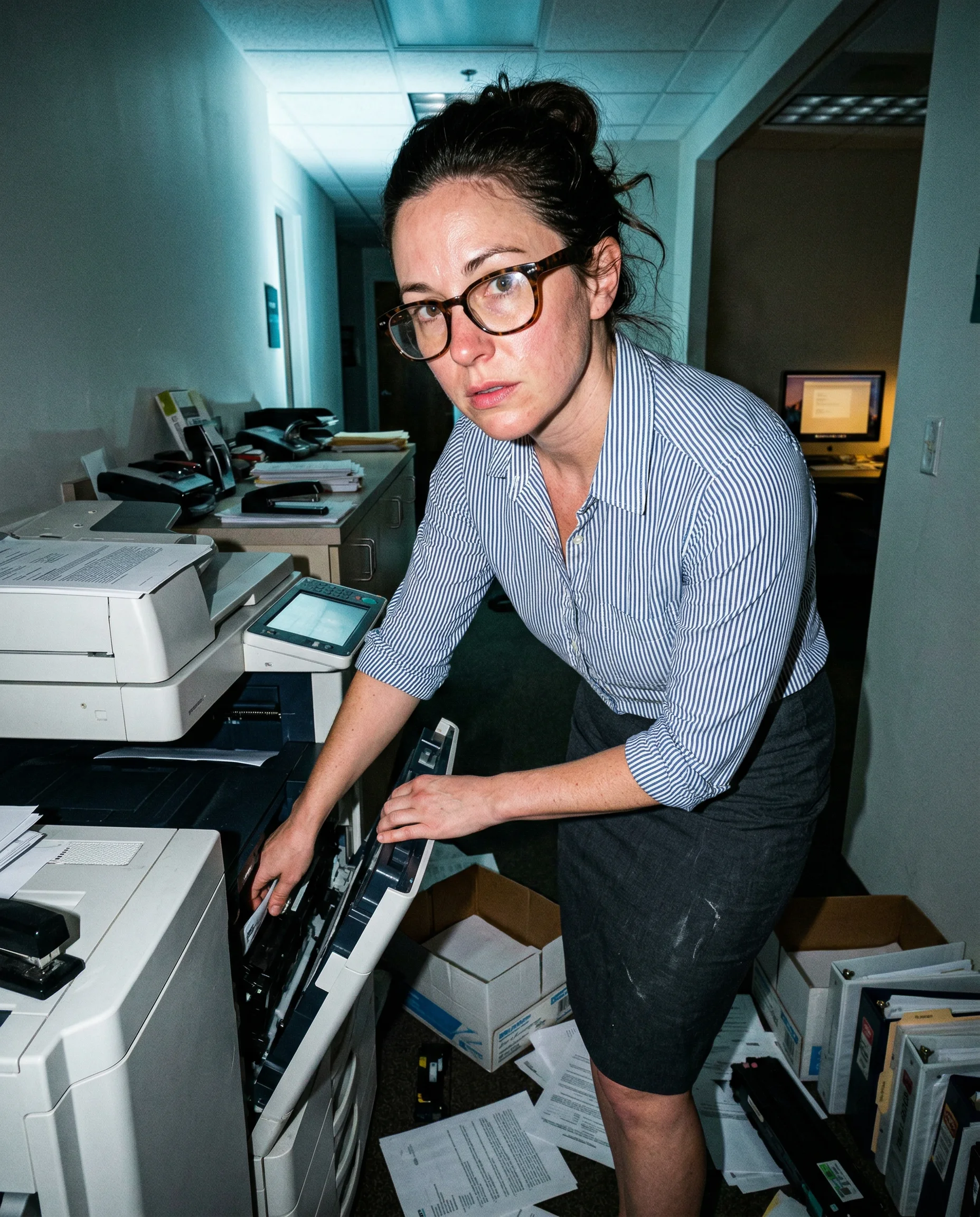
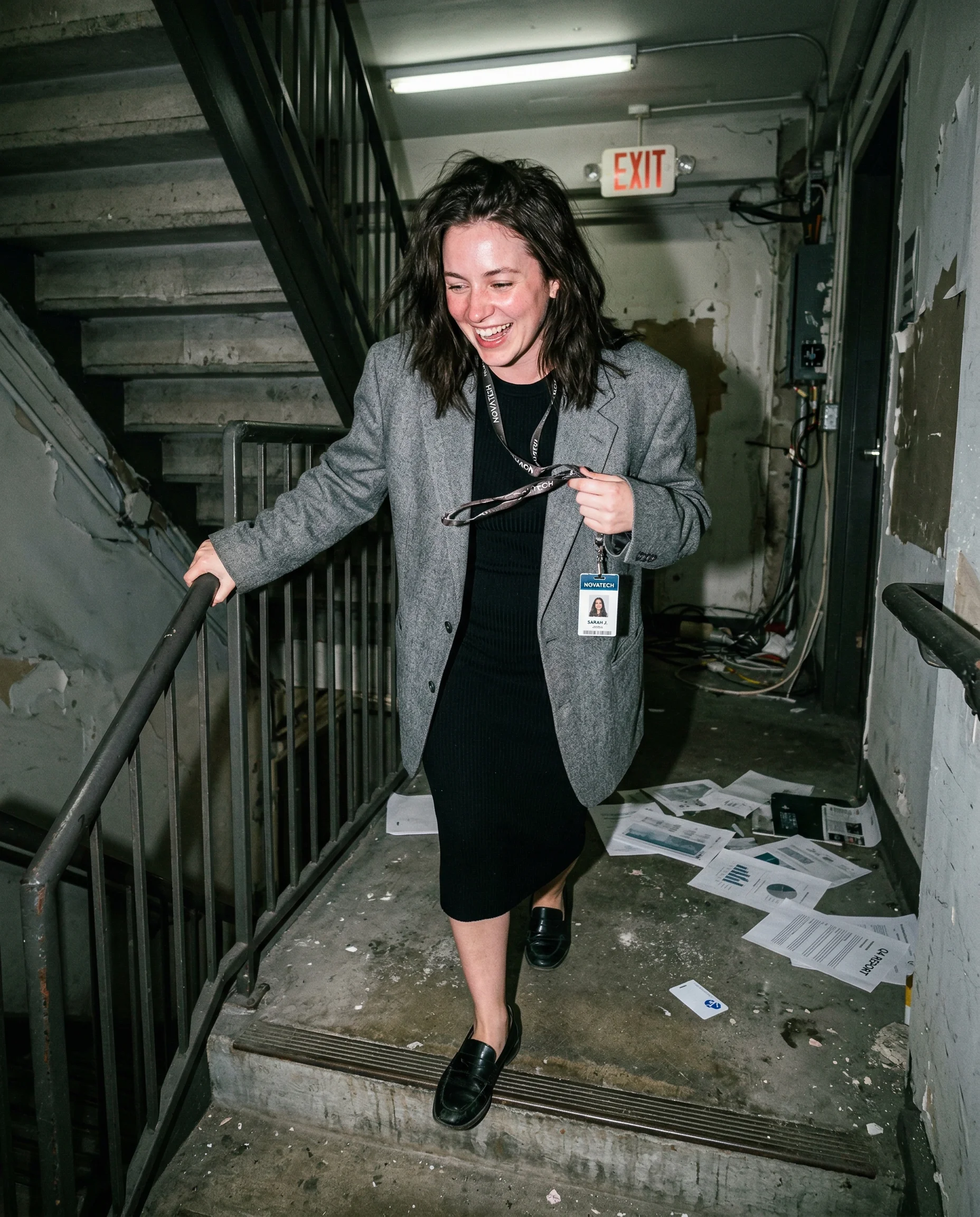
trapped in the steel box
The elevator mirror is where the day finally hits a wall. The brushed-steel walls don’t hide anything—they reflect the smudges, the fingerprints, and the harsh, flat light that makes everyone look a little worn out. Keep the frame tight and claustrophobic. If the image starts to feel too open or airy, it loses the weight of a long shift. Let the cold metal surfaces and the grime on the glass do the heavy lifting to sell the exhaustion.
the flash is the enemy of polish
I need the flash to stay a little rude in these shots. If you try to soften the light or make it flattering, the whole thing turns into a fake-looking ad. That direct, harsh phone flash against the mirror creates the high-contrast shadows that actually look like a real person taking a photo at 9 PM. It should hit the skin, catch the T-zone sheen, and highlight the texture on the nose and cheeks. If the light starts helping, you’ve gone too far. Let the flash be ugly; it’s the only thing that proves the camera was actually there.
the small details that ruin the lie
What makes this work isn’t the pose—it’s the stuff that’s falling apart. The twisted lanyard caught under the collar, the crooked glasses, and the waistband tension on the skirt are the details that stop the image from feeling like a costume. If the clothes look brand new and perfectly pressed, the shot is dead. Fraying, slight wrinkles in the pinstripe blouse, and the way the bag strap pulls at the shoulder are the difference between a staged photo and a real moment of after-hours relief. If you clean up the lanyard or straighten the frames, you’re just making a catalog shot.
Frequently asked questions
How do I get that raw, high-ISO look without it being just noise?
Stop trying to clean it up. The grain is what gives the image weight. If you're using AI, don't ask for 'professional' or 'high-resolution' output, as that usually triggers the model to smooth everything out. Stick to descriptors like 'raw phone-photo aesthetic' and 'high-ISO grain' to keep the texture from turning into digital soup.
Why does my elevator selfie always look like a fake ad?
You're probably letting the lighting be too kind. If the skin is too smooth or the light is diffused, the brain immediately tags it as a stock photo. You need the flash to be harsh and direct. If you aren't seeing a little bit of sweat or uneven skin tone, your lighting is too good.
What's the best way to make the clothes look worn-in?
Focus on the tension points. Mentioning 'waistband tension' or 'rumpled fabric' forces the model to render the way clothes actually sit on a body after ten hours. If you just ask for 'office clothes,' the AI will default to a stiff, catalogue-ready outfit.
How do I capture that 'tired' expression without it looking forced?
Don't ask for a 'tired expression'—describe the physical aftermath. Mentioning 'loose hair tendrils,' 'crooked glasses,' or a 'slight T-zone sheen' tells the model to show the fatigue through the environment and the subject's state, which always lands better than asking for a specific facial look.