
Office Cubicle Cable Struggle: After-Hours Flash Candid
Office Siren is sharp tailoring, bad fluorescent light, and the quiet exhaustion of a late night at the desk. These shots trade polish for real-world grit.
Get the next prompt drop
We publish new prompts weekly. Get them in your inbox instead of checking back.
You're in. New drops land in your inbox.
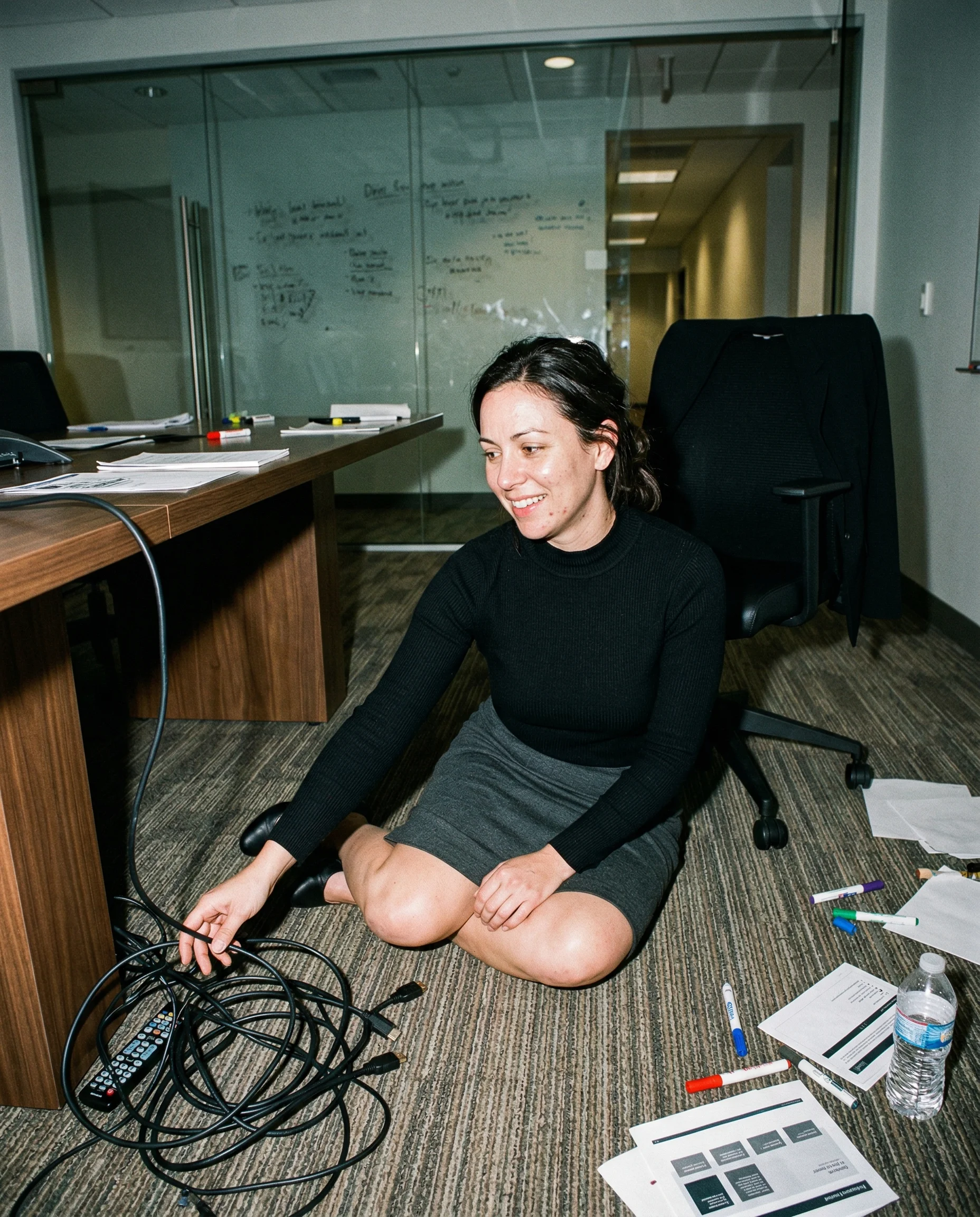
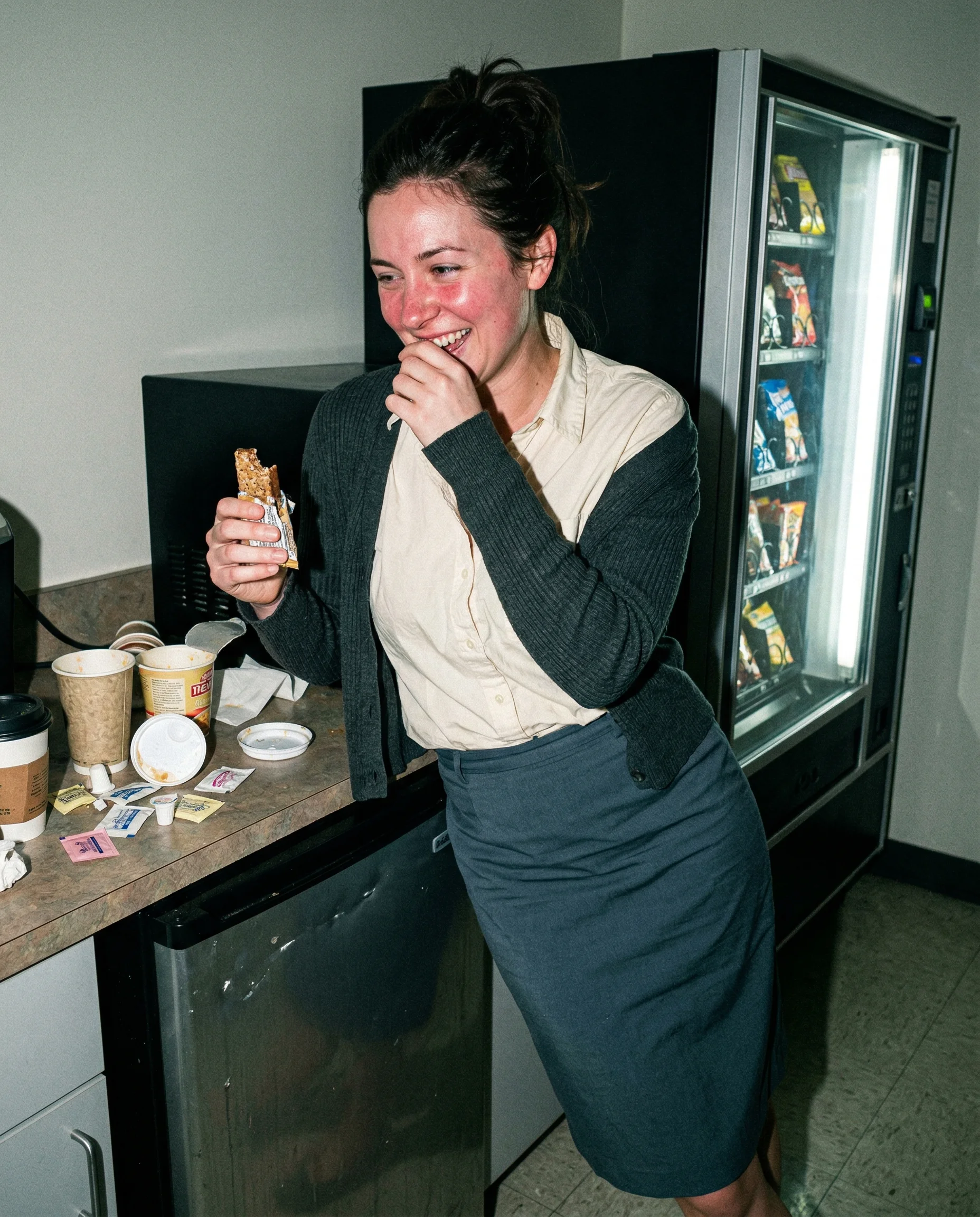
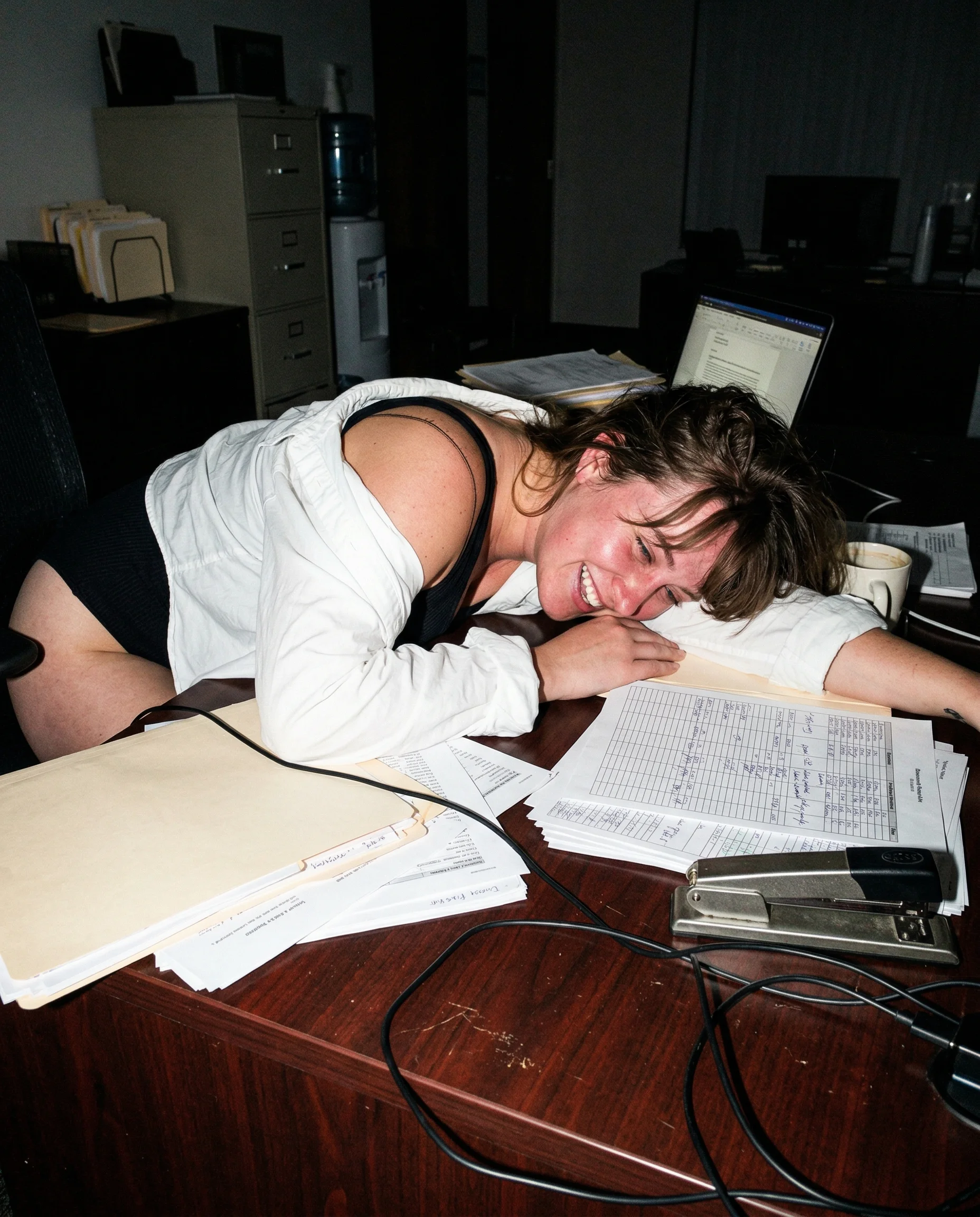

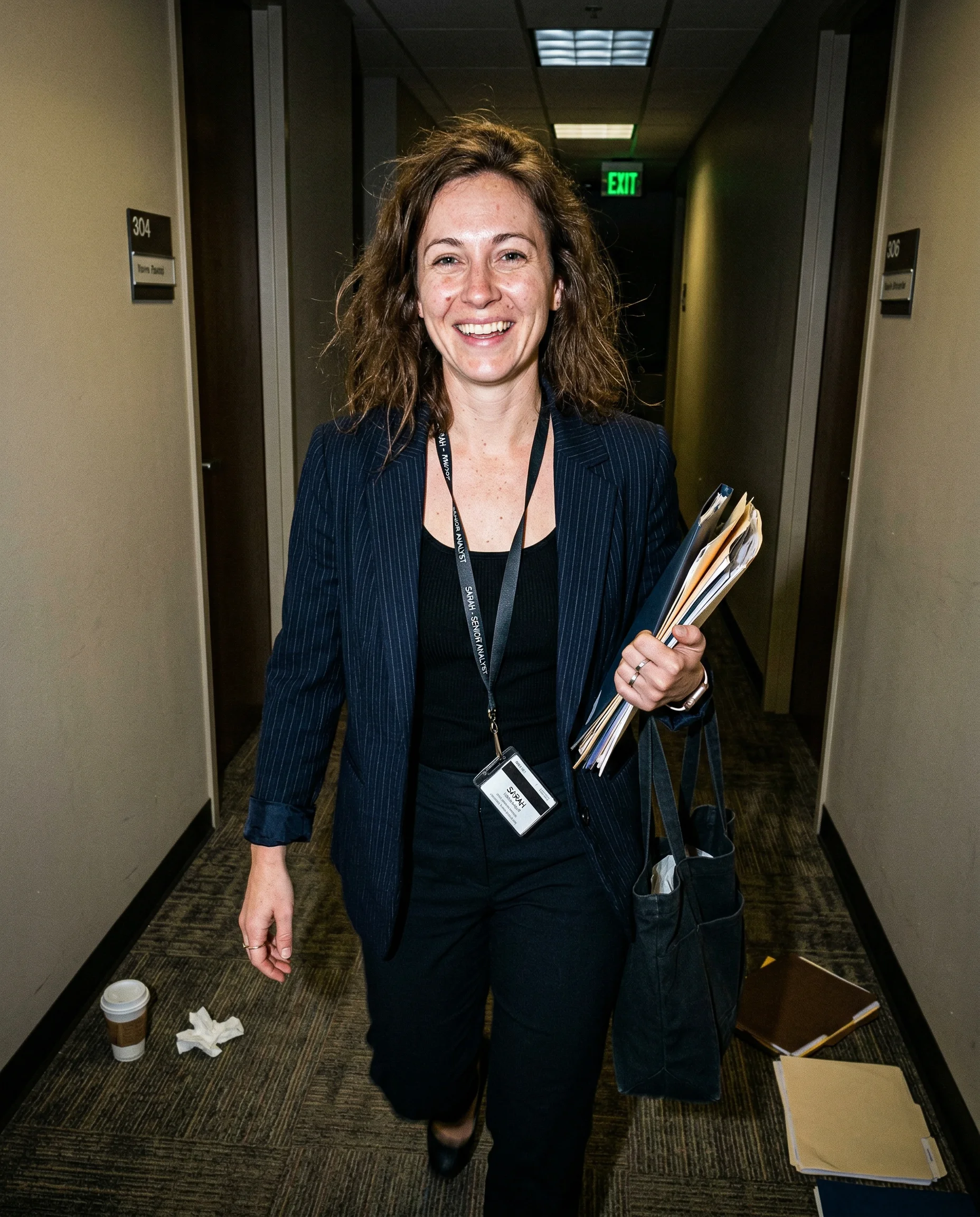
floor-level perspective
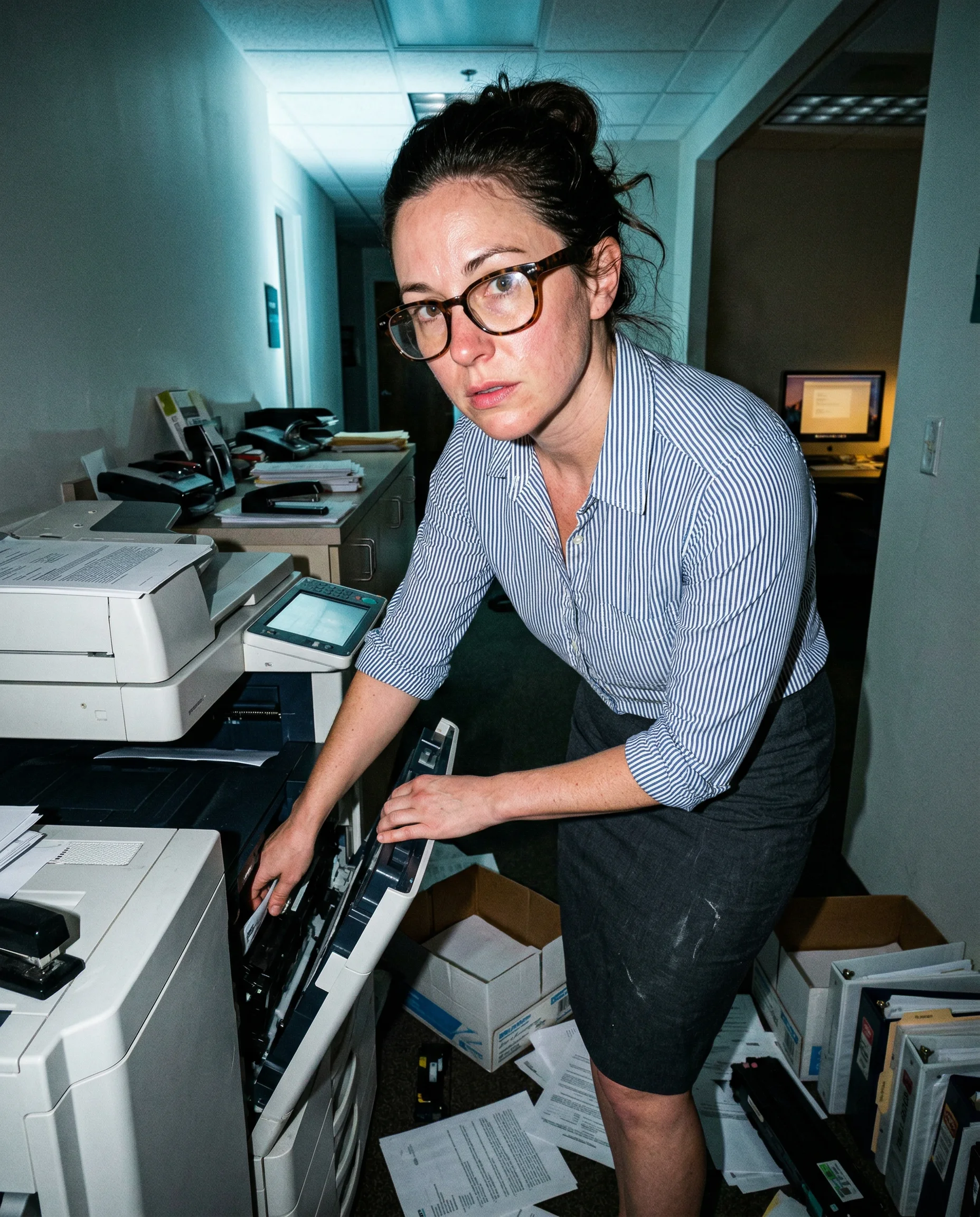
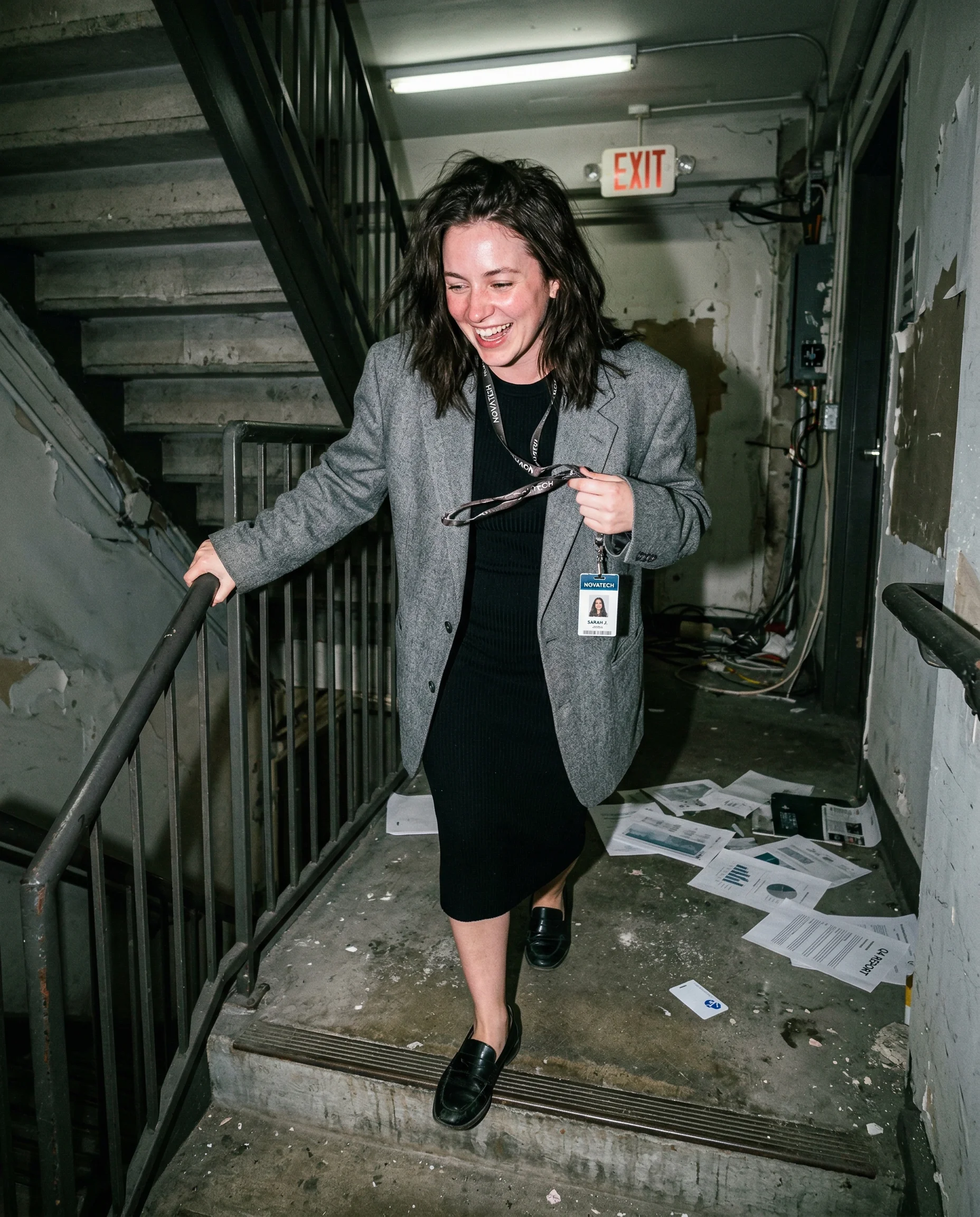
shooting from the carpet changes the geometry of the cubicle. eye-level shots look like corporate brochures, but dropping the camera to the floor brings the dust, the discarded keycards, and the tangled mess under the desk into focus. a 24mm lens adds just enough barrel distortion to make the cubicle walls feel tight and claustrophobic, exactly like a late-night office grind. the low angle forces the frame to include the unglamorous reality of the space, turning a simple task into a moment of genuine, tired friction.
flash that doesn’t play nice
direct phone flash is the only thing keeping this from looking like a staged commercial. the light needs to be rude. by hitting the desk legs and the white cords, it creates sharp, ugly micro-shadows that soft studio lighting would just wash away. the flash catches the T-zone sheen and the texture of the slacks, which keeps the skin from looking airbrushed. if you diffuse this or smooth out the shadows, the scene loses its teeth. the harshness is the point—it is the look of a phone camera struggling in a room that was never meant to be photographed.
details that break the polish
if the image looks too clean, it is failing. focus on the messy details that ruin the corporate facade. the twisted badge lanyard dragging in the carpet dust and the shirt half-tucked into slacks show the real-world tension of a long day. the dropped keycard on the floor makes the shot feel like a candid interruption. skin texture—visible pores, faint peach fuzz, and an ordinary, uneven tone—is non-negotiable. the second the model starts looking like a porcelain doll, the scene turns into d*mned rental-staging nonsense. you have to let the image be a little bit ugly for it to actually land.
Frequently asked questions
how do i get the skin to look real and not airbrushed?
stop trying to make it perfect. emphasize texture by keeping the lighting harsh and direct. if you specify pores, peach fuzz, and uneven tone in the prompt, the model stops trying to smooth everything out into a plastic mess.
why does my office lighting look fake?
it is usually too even. real office lighting is patchy and fluorescent. use a direct flash to create high-contrast shadows that cut across the desk and floor, which mimics the look of a phone camera struggling in a dark cubicle.
what makes a candid shot feel like a genuine interruption?
the mess. if the desk is tidy, it looks like a photoshoot. if there are tangled cables, dropped keycards, and dust on the carpet, it looks like someone actually works there. the chaos on the floor does the heavy lifting.
should i use a wide lens for these office shots?
a 24mm or similar wide lens is perfect because it adds a slight barrel distortion. it makes the cubicle feel cramped and claustrophobic, which is exactly the look you want for an after-hours desk struggle.