
Stuck Boot Zipper Hallway Mirror Selfie Before First Date
First dates are rarely cinematic. This collection tracks the friction of a first meeting: napkin-fidgeting, coat-check panic, and relief through smudged glass.
Get the next prompt drop
We publish new prompts weekly. Get them in your inbox instead of checking back.
You're in. New drops land in your inbox.
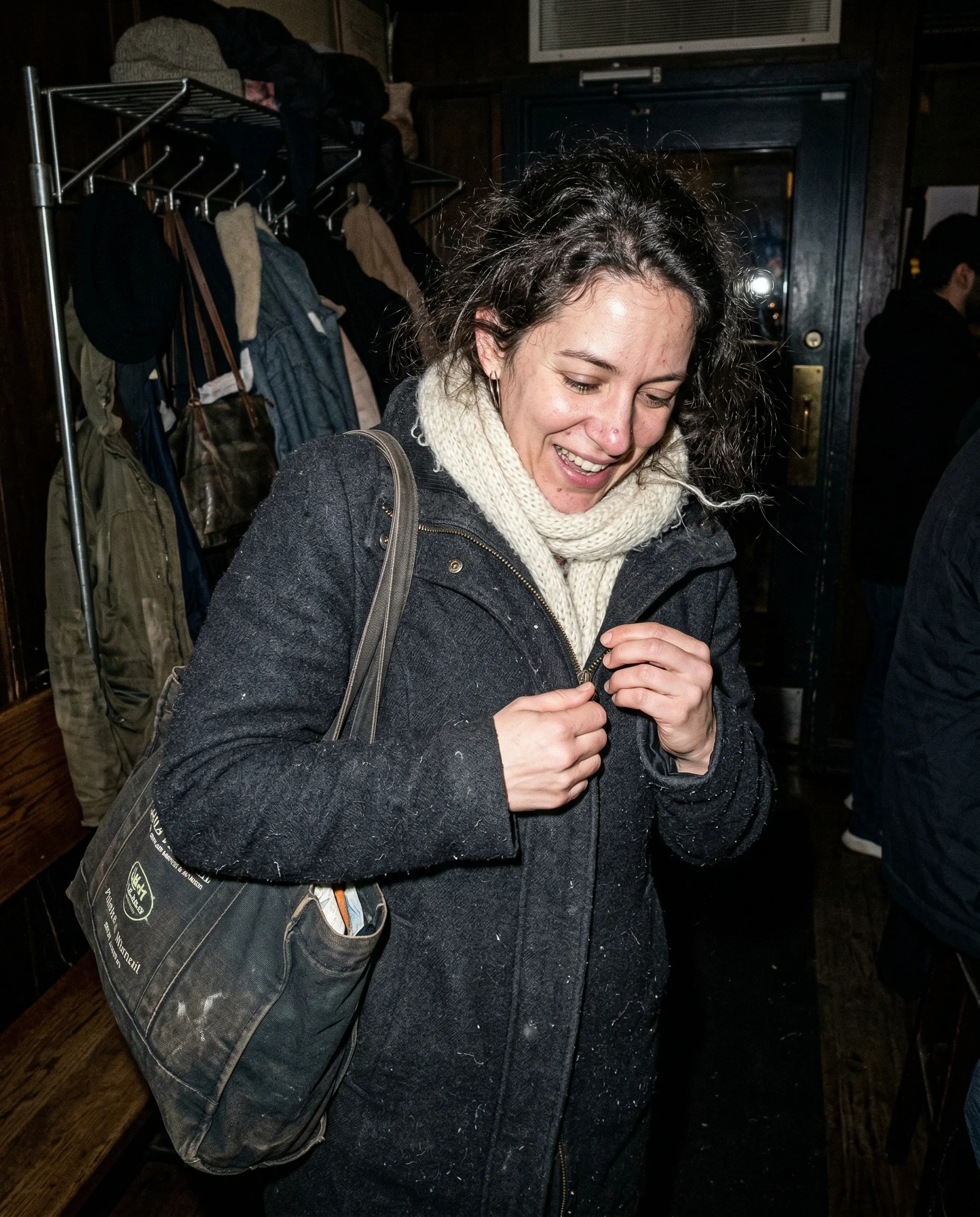
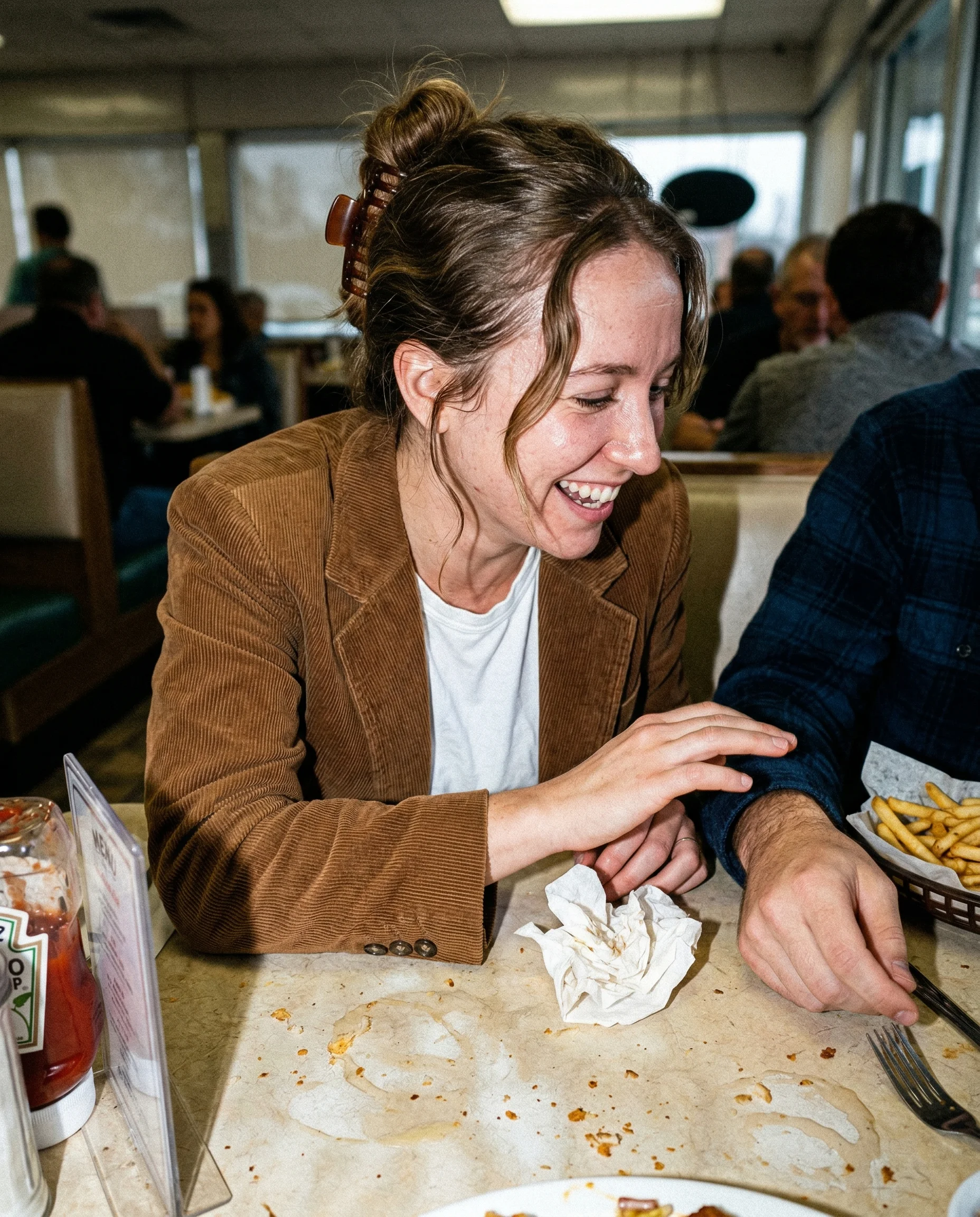
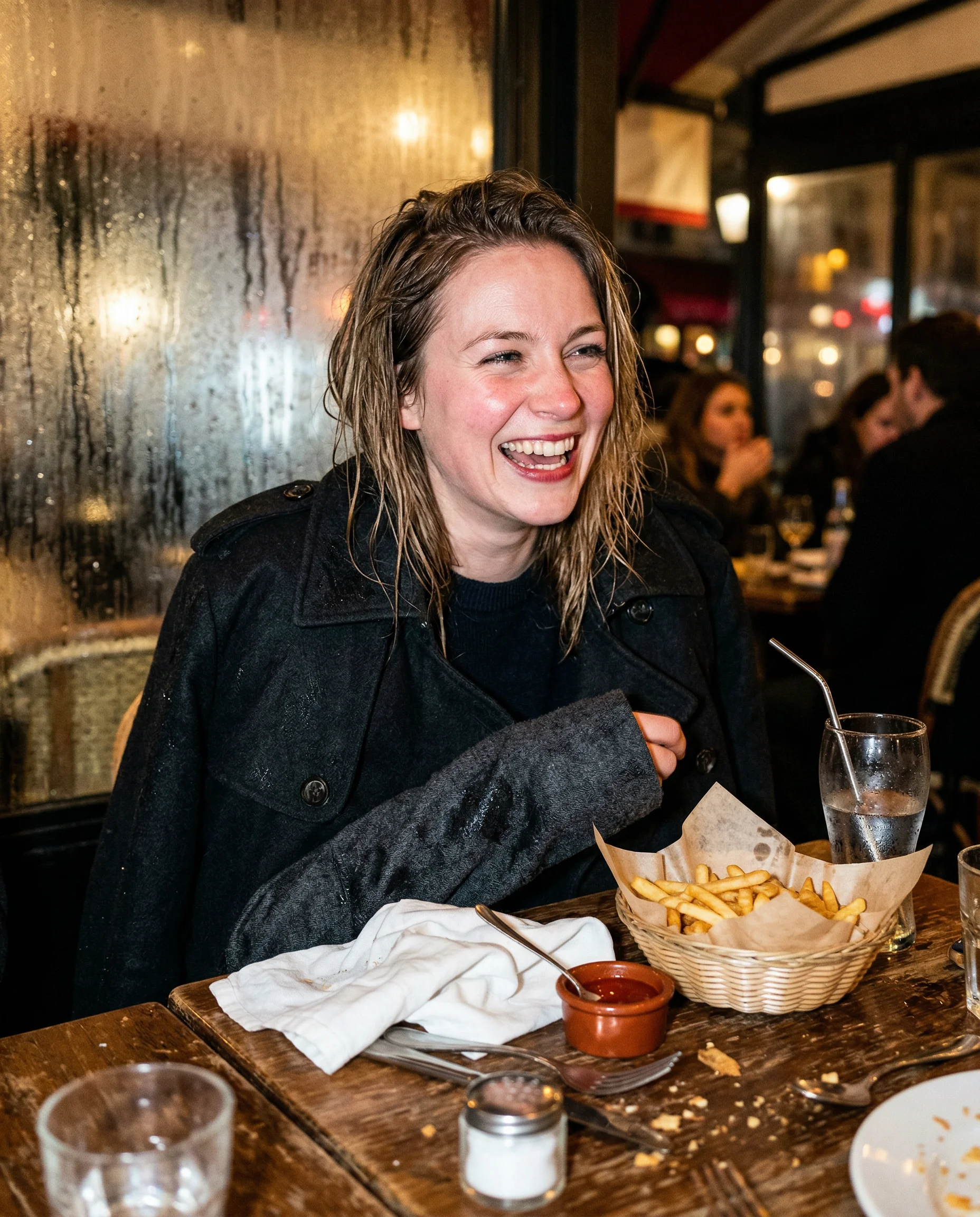
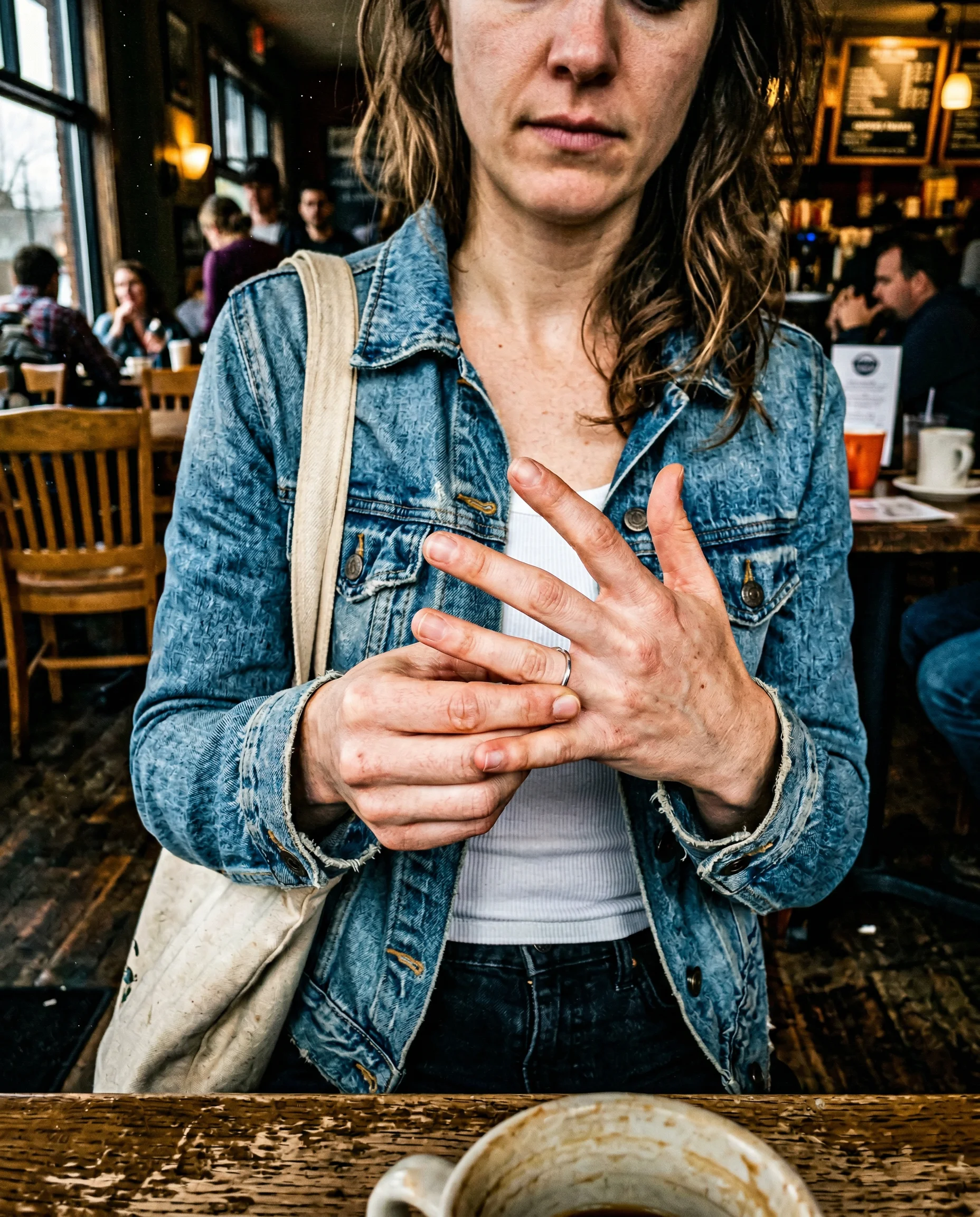
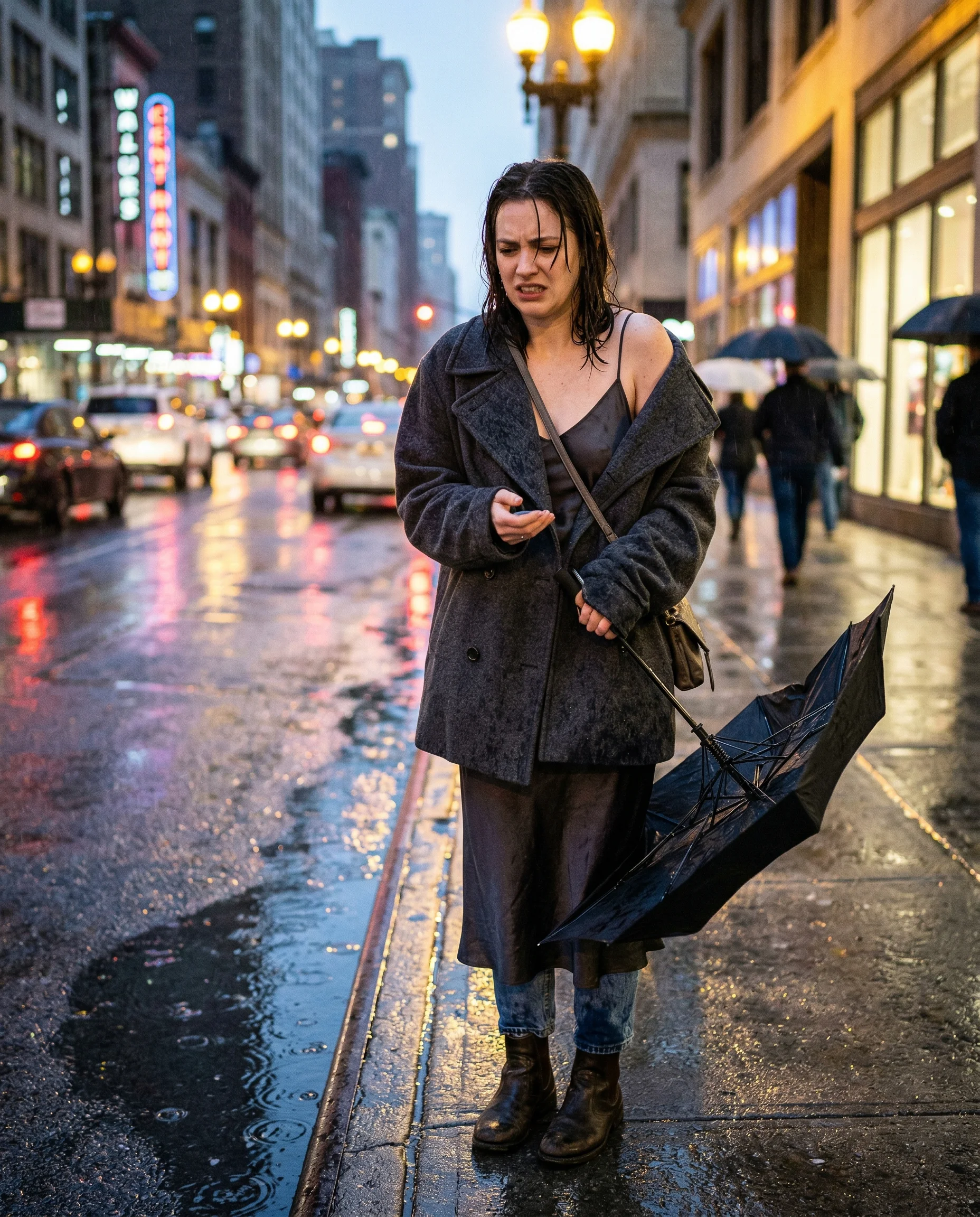
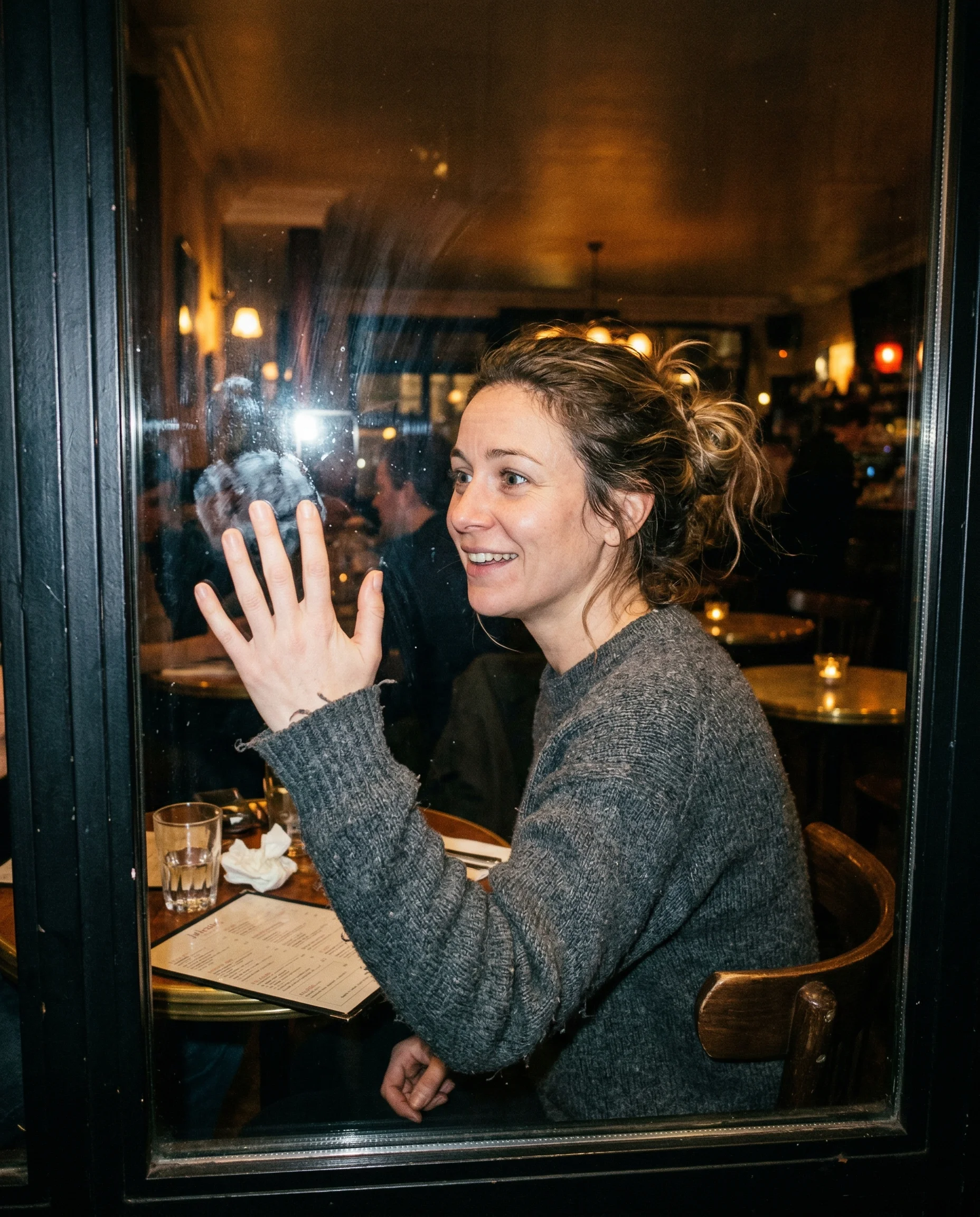
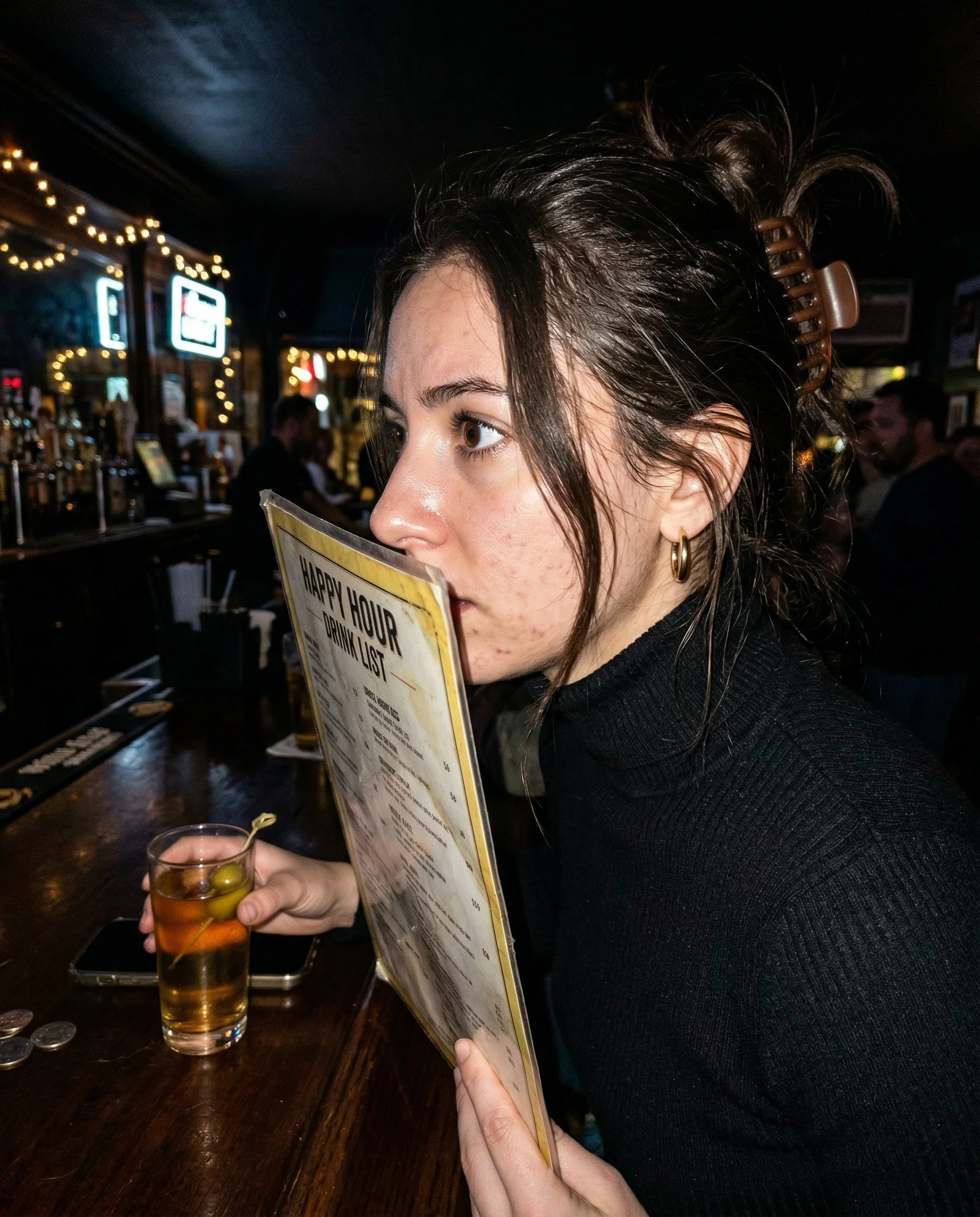
the flash as a reality check
Direct, harsh phone flash is the only thing keeping this from looking like a staged lifestyle shot. When the light hits the mirror directly, it catches the smudges and the fingerprints that we usually try to clean off. That smear on the glass is doing more heavy lifting than any filter could. By forcing the light to be rude, you strip away the artificial sheen that makes most AI images feel plastic. The goal isn’t to look pretty; it’s to look like you’re standing in a cramped apartment hallway with five minutes until you have to leave, and you’re already losing the battle against your own wardrobe.
the clutter that grounds the frame
If you want to kill the tension, clean the room. The reason this works is because of the mess that didn’t get tucked away. The pile of shoes by the radiator, the crumpled grocery receipt sitting on the console table next to a tube of lip balm—these are the details that anchor the scene in a real, lived-in space. They tell a story of a frantic departure. If the table were clear, the image would lose its pulse. Keep the detritus in the frame, because it’s the specific, un-curated nature of these objects that makes the viewer believe the person in the mirror is actually there.
capturing the friction of getting ready
Most mirror selfies feel fake because the subject is posing. Here, the subject is struggling. The stuck zipper on the boot is the pivot point for the whole image. It forces her into a bent, awkward posture that isn’t flattering, which is exactly why it’s believable. Her expression—that mix of irritation and genuine amusement—only happens because she’s dealing with a real-world problem. When you prompt for this, focus on the physical tension of the moment. If she looks like she’s waiting for the camera, you’ve lost the shot. She needs to be looking at the zipper, or in this case, laughing at the absurdity of the f***ing thing not moving.
Frequently asked questions
how do i stop the skin from looking too airbrushed?
You have to lean into the imperfections. By specifically asking for visible pores, faint peach fuzz, and an uneven skin tone in your prompt, you force the model to render the texture of actual skin rather than a smoothed-out surface. If it still looks too clean, dial up the ISO grain or add a reference to harsh, direct lighting which naturally highlights skin texture.
what makes the mirror look authentic?
The smudges and fingerprints. A clean mirror is a dead giveaway for an AI image. By including details like smudged glass or dusty surfaces, you break up the reflection and add a layer of physical reality. The flash bounce off the glass is also critical—it creates those blown-out highlights that prove there's a real, messy physical barrier between the camera and the subject.
why does the flash feel so aggressive here?
Because it's a 24mm phone lens setup that doesn't have the luxury of soft lighting. When you use direct flash in a small, cramped hallway, it has nowhere to go. It hits the mirror, the wall, and the subject all at once, creating high-contrast shadows. This 'rude' lighting is essential for a candid look because it mimics the way a phone camera actually behaves in a dark apartment.
how do i get the subject to look like they aren't posing?
Give them a task that requires focus, like struggling with a zipper or rummaging through a bag. If the subject is just 'looking at the mirror,' they will naturally default to a pose. If they are 'half-laughing while struggling with a stuck zipper,' the camera becomes a secondary observer of their frustration. The distraction is the key to the candid feel.