
Candid Elevator Mirror Selfie in Brown Leather Trench
Nightlife captured with a jagged, unforgiving flash. Forget the polished party aesthetic; this is the reality of 3 AM bathroom mirrors, sticky bar tops, and the walk home.
Get the next prompt drop
We publish new prompts weekly. Get them in your inbox instead of checking back.
You're in. New drops land in your inbox.
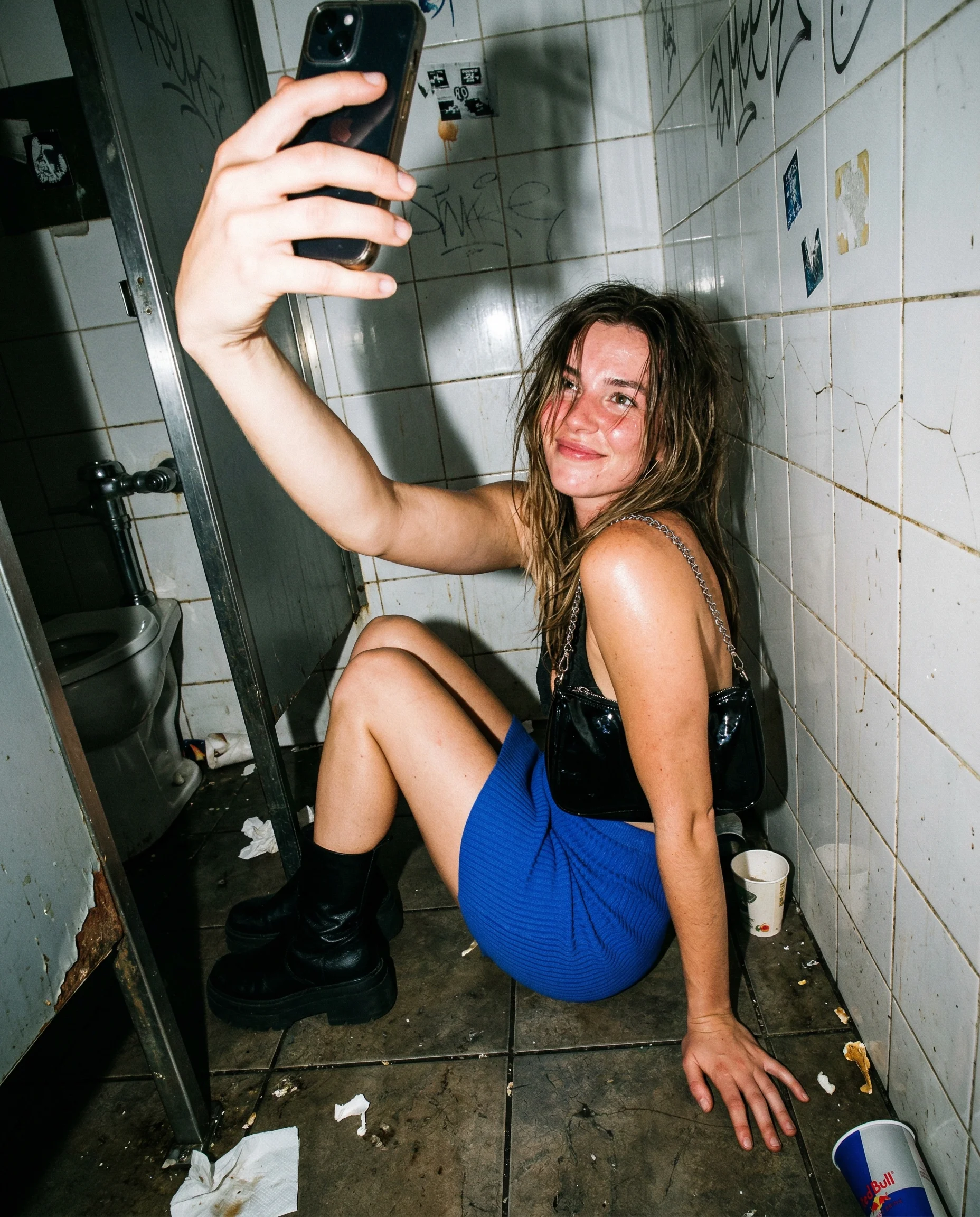

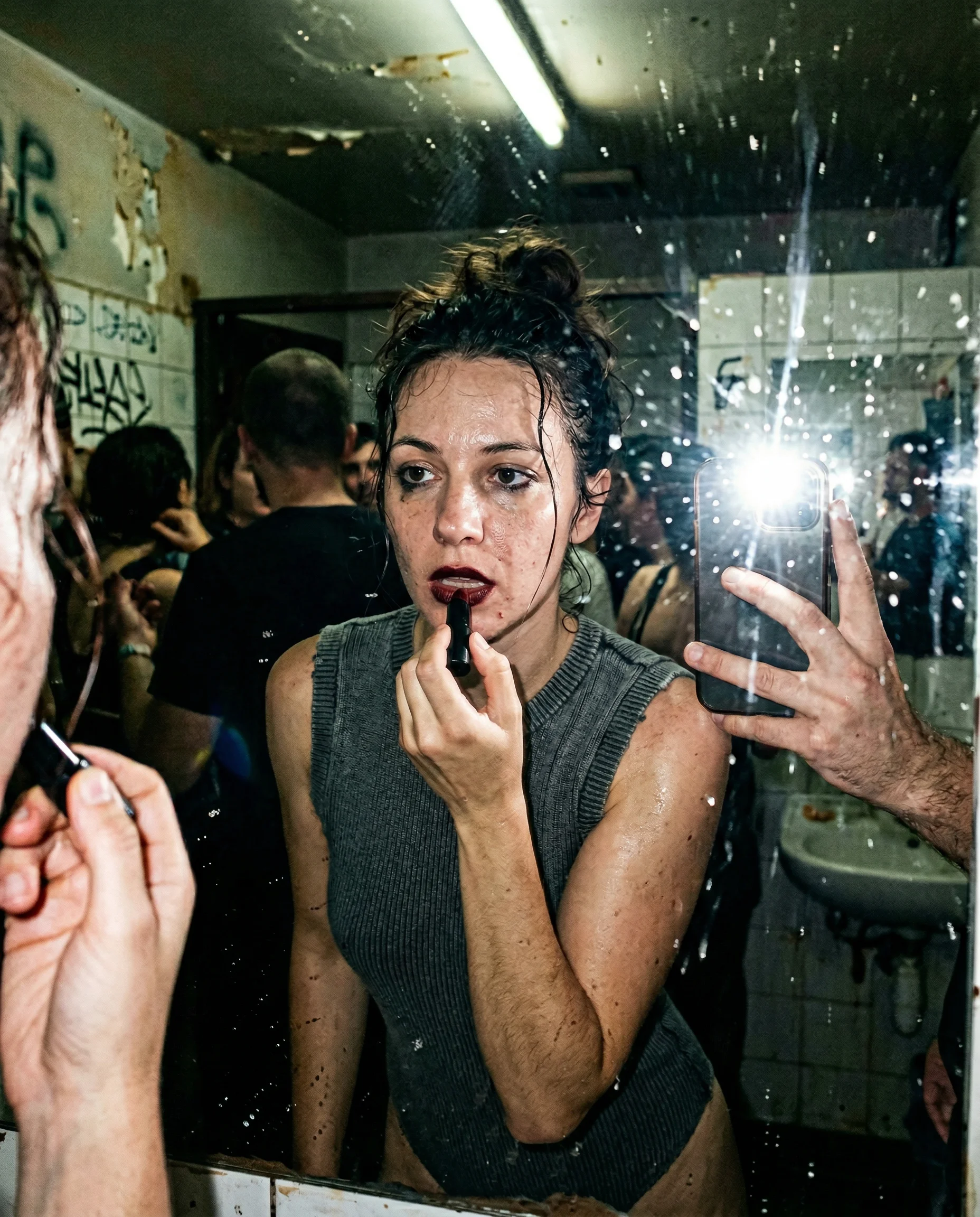

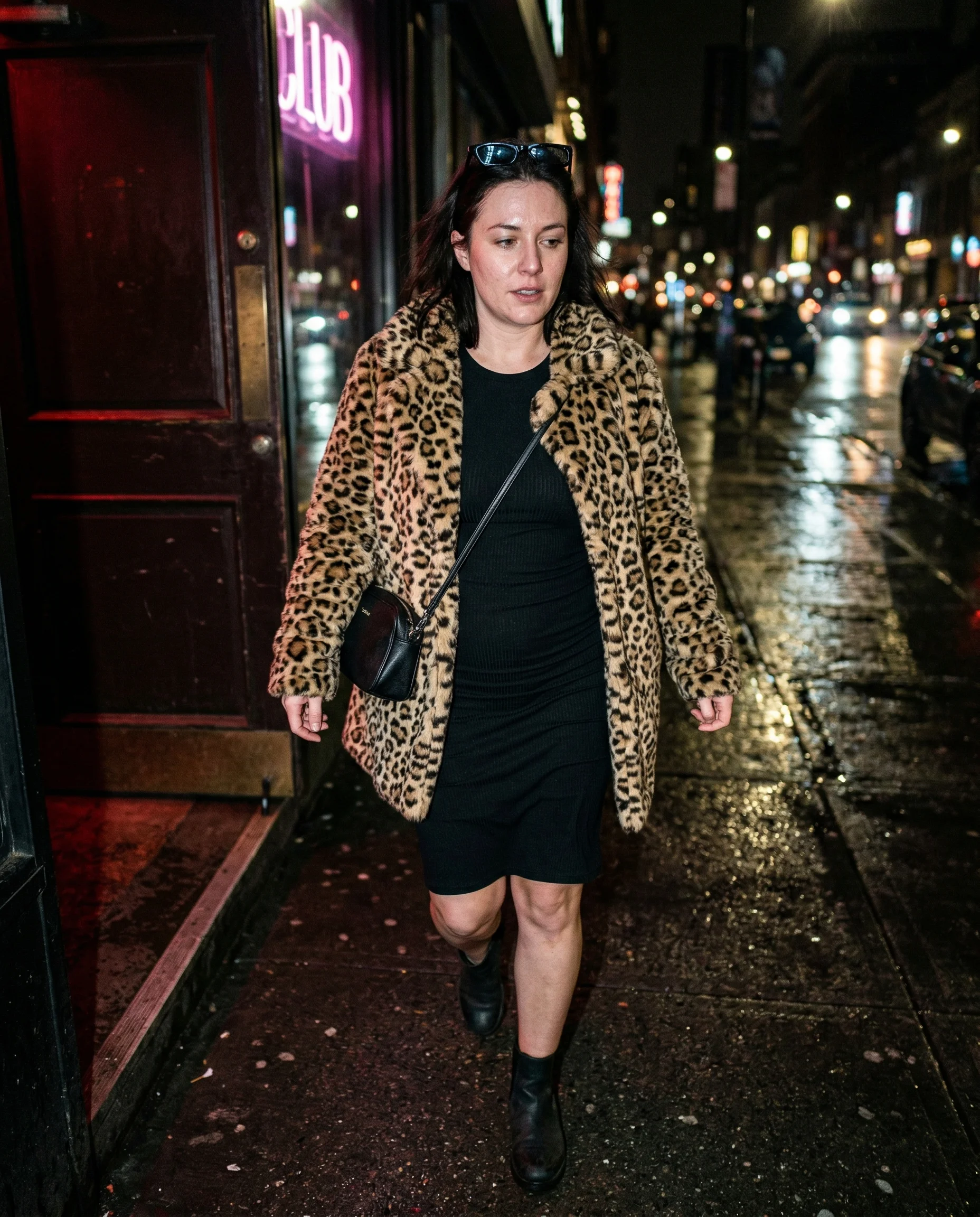
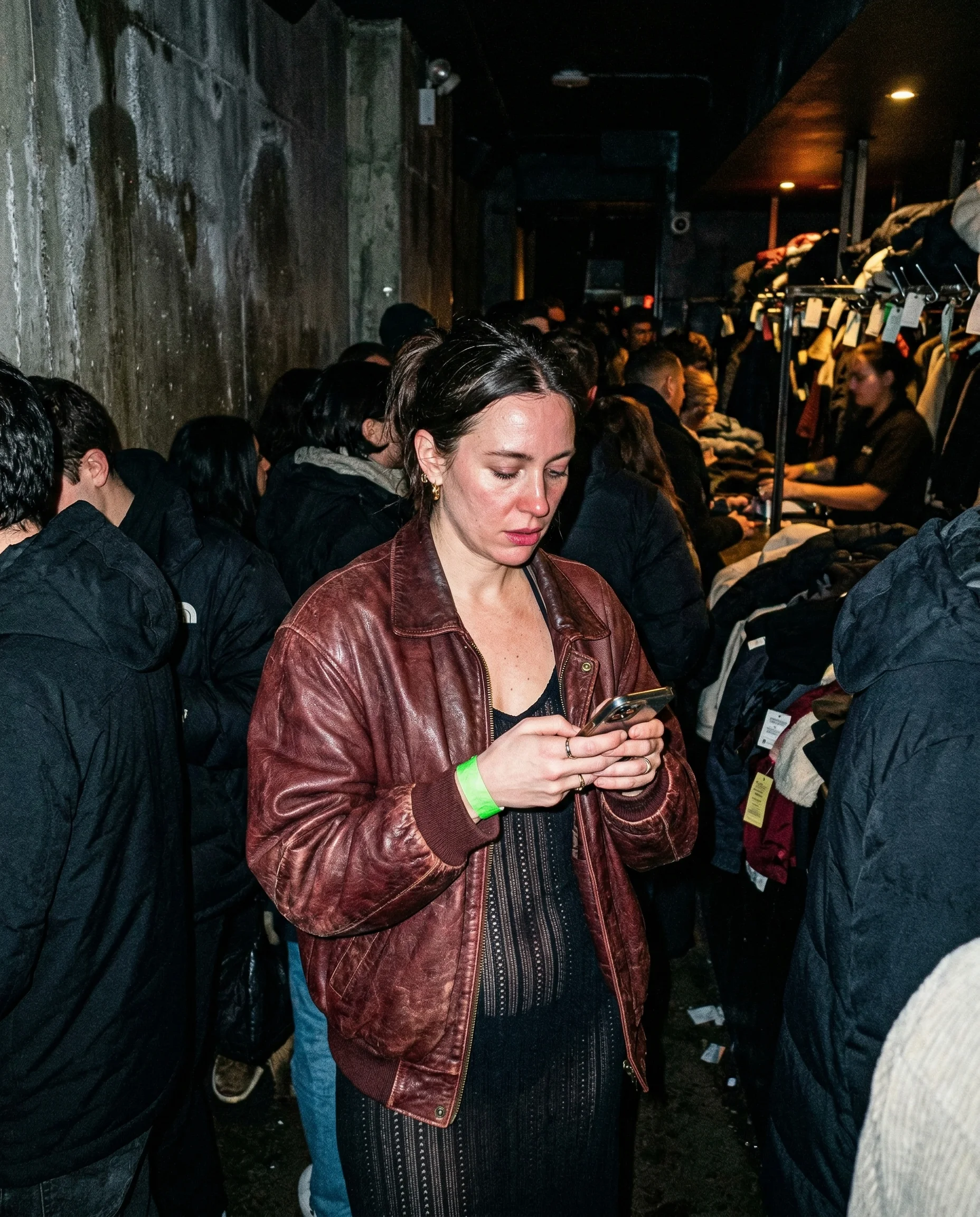

steel walls and flash bounce
The elevator mirror is a trap. I love it because there is nowhere to hide from the light. By using a direct, high-intensity phone flash against brushed-steel, I get that specific, ugly bounce that kills any sense of glamour. The light hits the metal and ricochets back, turning the walls into a smudged, hazy backdrop that feels entirely claustrophobic. If I had tried to soften this or use ambient light, it would have turned into a standard fashion shot. Instead, the flash creates harsh, deep shadows in the corners of the lift and highlights the skin texture on her forehead and nose, which is exactly what I want. The smudges on the steel aren’t a mistake; they are the only reason the frame feels real.
the crumpled wristband and scuffed leather
I’m obsessed with the details that prove the night actually happened. The crumpled, neon-pink wristband is the anchor here. It’s not straight, it’s not clean, and it’s clearly been through a few hours of humidity. It tells a better story than any clean outfit shot ever could. Same goes for the scuffed toes of the combat boots and the worn-in leather of that shoulder bag. If the boots were pristine, the whole thing would look like a costume. By letting the dirt stay on the leather and keeping the hair slightly messy from the club, I’m leaning into that specific post-midnight exhaustion where you stop caring about how you look and just want to get home. The contrast between the structured brown trench and the ribbed lounge shorts is just the right amount of ‘I didn’t plan for this’ energy.
high iso grain and skin honesty
Most people try to smooth out their skin in these shots, but I’m doing the opposite. I want the pores, the faint peach fuzz, and the uneven tone. By pushing the ISO, I’m forcing the sensor to pick up the grit. When the flash hits her face, you can see the slight sheen on her T-zone and the texture of her skin, which makes her look like a real person, not a mannequin. I don’t want a perfect, airbrushed portrait; I want to see that she’s been sweating and moving for hours. If the image starts looking too clean, it loses its teeth. The grain is the only thing keeping this from looking like some h*llish, over-produced marketing campaign.
Frequently asked questions
Why does the flash look so harsh in this shot?
It’s a direct, front-facing phone flash. When you hit a reflective surface like brushed steel from that close, the light doesn't have anywhere to go but back into the lens, which creates that flat, high-contrast, and slightly distorted look.
How do you keep the skin looking real instead of airbrushed?
I don't touch the skin texture. By keeping the lighting raw and avoiding any softening filters, the sensor picks up the natural pores, peach fuzz, and uneven sheen that naturally happens when you're out for a few hours.
What makes the elevator setting feel so claustrophobic?
It’s the combination of the tight framing and the reflective, smudged walls. Because there's no depth, the viewer is forced to focus on the subject and the grime on the steel, which makes the space feel like a cramped, temporary box.
Is the messiness of the outfit intentional?
Absolutely. A pristine outfit in a dirty elevator looks like a catalog shoot. The scuffed boots, the crumpled wristband, and the messy hair are the evidence of the night—they provide the context that makes the photo feel like a stolen moment.