
Oxblood Lipstick and Mirror Grime in a Crowded Club Bathroom
Nightlife captured with a jagged, unforgiving flash. Forget the polished party aesthetic; this is the reality of 3 AM bathroom mirrors, sticky bar tops, and the walk home.
Get the next prompt drop
We publish new prompts weekly. Get them in your inbox instead of checking back.
You're in. New drops land in your inbox.
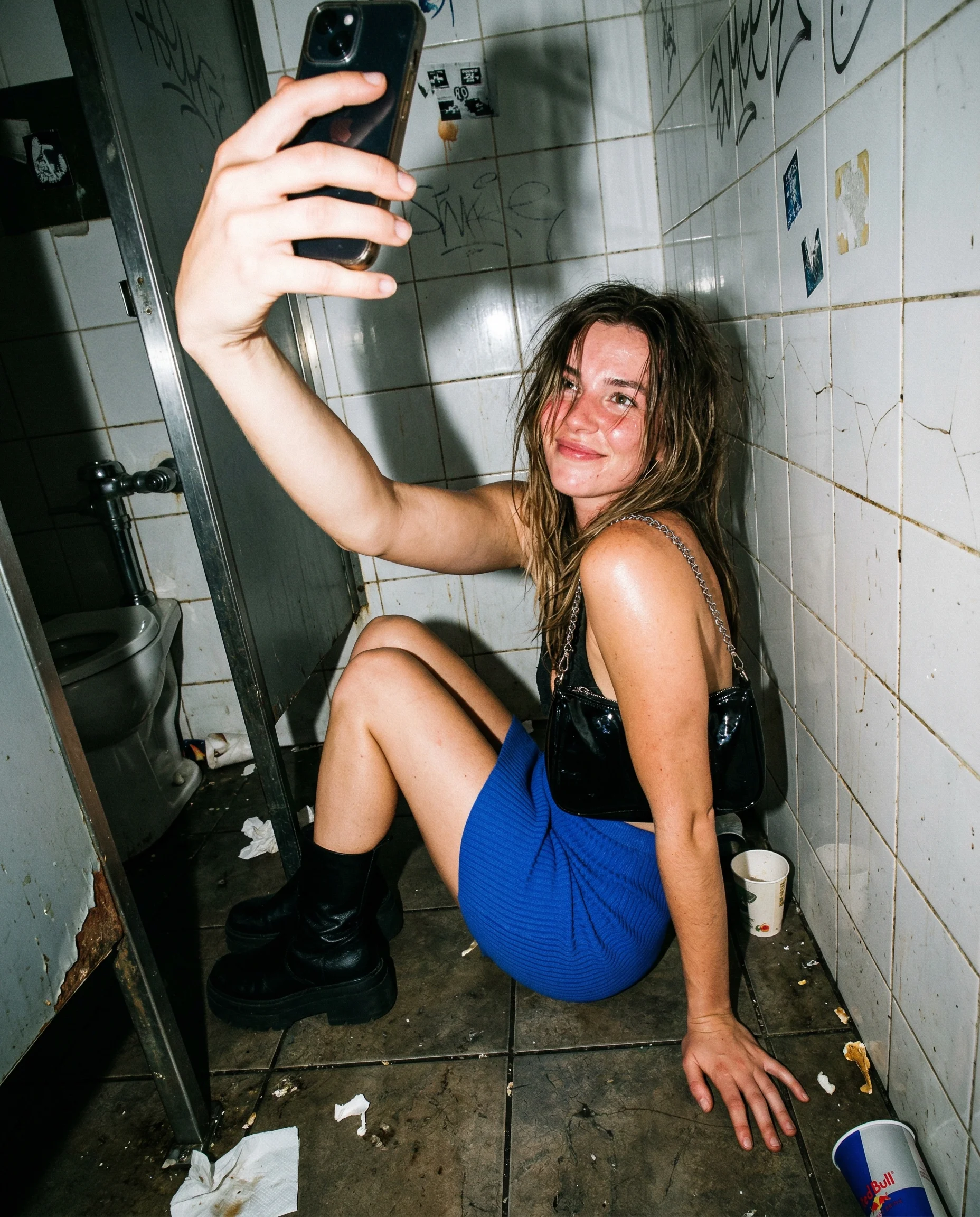


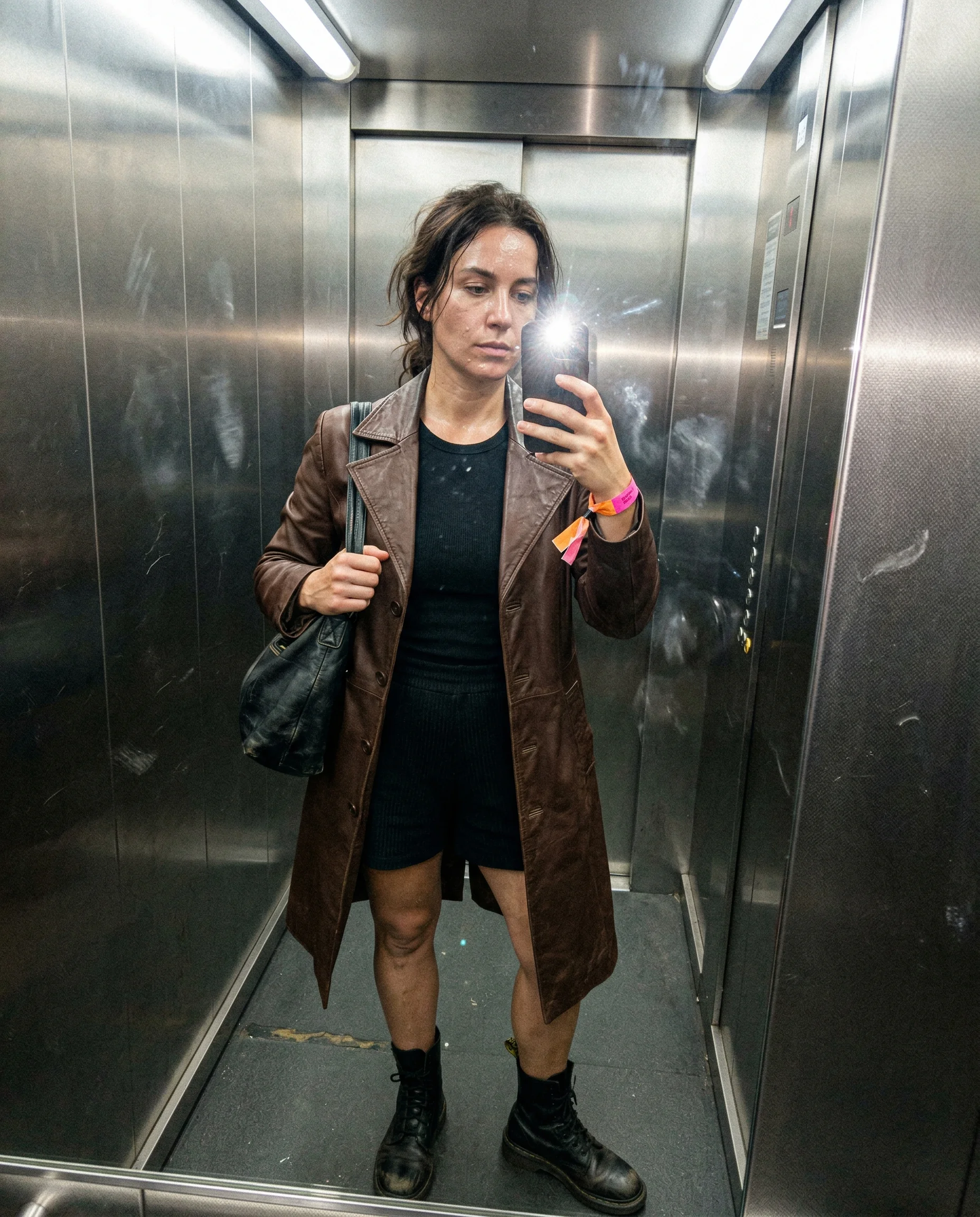
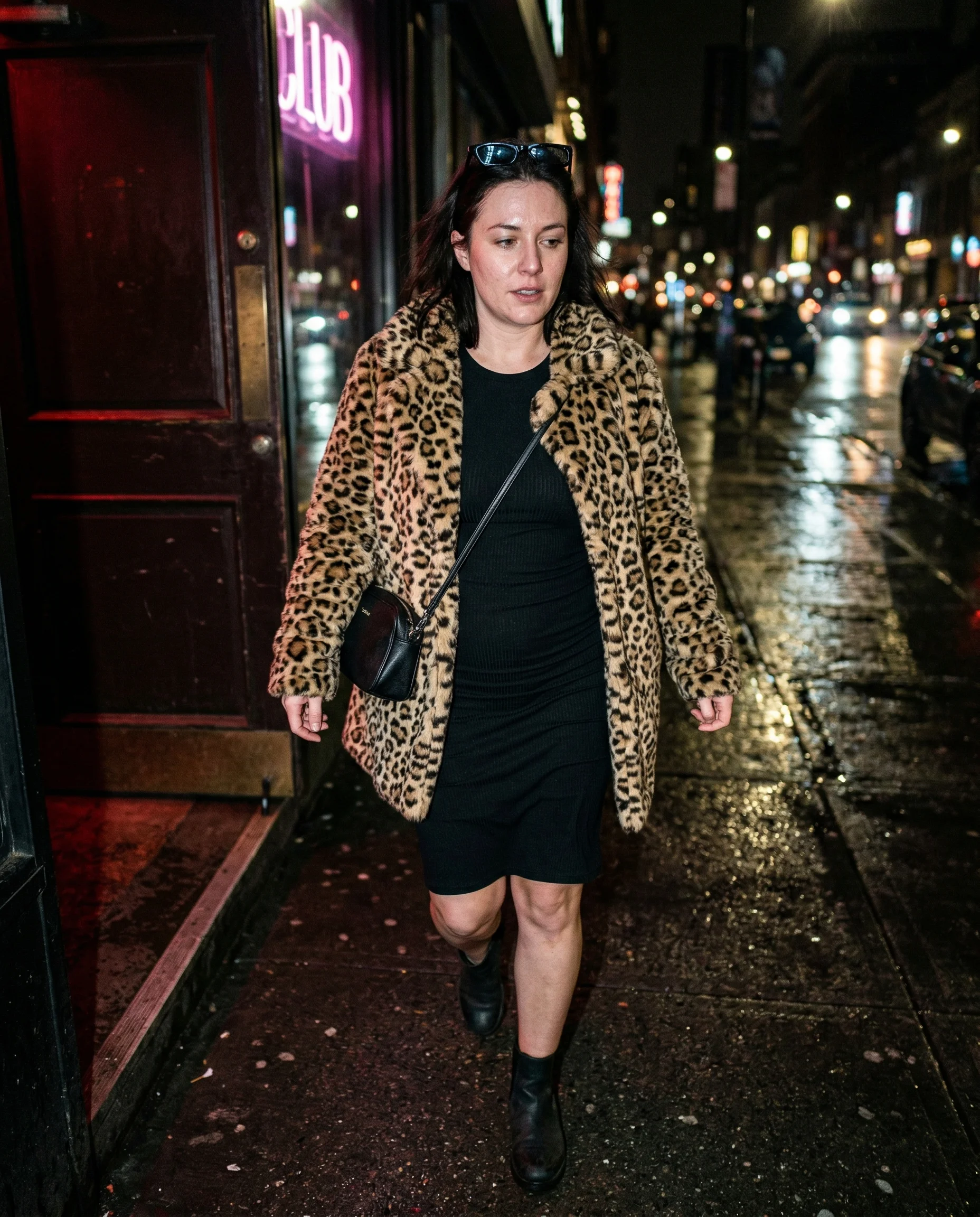
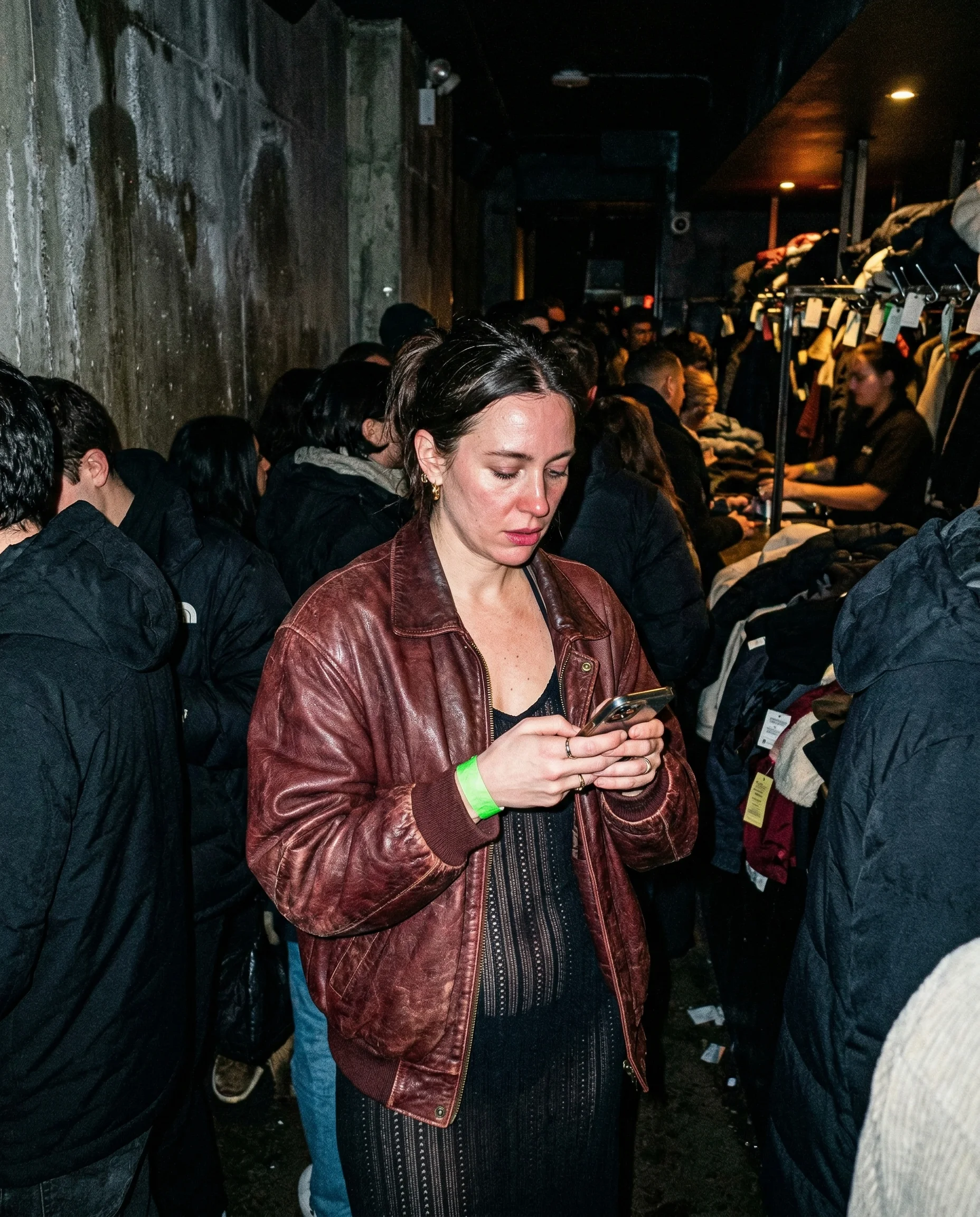

condensation and mirror debris
The mirror is doing more work than the subject here. If you look at the glass, it is covered in a constellation of water droplets and faint, greasy fingerprints that catch the phone flash just as hard as her face does. I want that texture. If the glass were clean, the image would lose its teeth. The flash doesn’t just hit her; it hits the grime, which makes the whole frame feel like you are standing in a cramped, humid bathroom at 2 AM. When you’re prompting for this, don’t ask for a ‘clean’ reflection. You want the imperfections—the smudges and the condensation—because that is what stops this from looking like a staged studio shot. I trust the dust on the mirror more than I trust a perfect, airbrushed glow.
flash as a blunt instrument
The direct phone flash is the only reason this works. It is harsh, it is unforgiving, and it creates that blown-out, white-hot reflection on the glass that effectively blinds the camera. That flare is a feature, not a bug. It flattens the depth of the room and forces the eye back onto the subject’s face, where the eyeliner is already starting to give up the ghost. I avoid any kind of soft lighting here because the moment the light starts helping, the h*llish reality of the club bathroom disappears. You want the shadows to be deep and the highlights to be aggressive. If the flash looks pretty, you’ve missed the point entirely.
the tension of the ribbed knit
I’m obsessed with the way the charcoal bodysuit sits on her shoulders. You can see the seam tension right where the fabric pulls against her skin, which adds a layer of physical reality that most AI images just glide over. It’s not just a shirt; it’s a garment that has been worn for hours in a hot, crowded room. The messy bun, the stray tendrils, and that slight sheen on her T-zone are the details that ground the shot. If the skin were perfectly smooth or the hair were too neat, the whole thing would turn into corporate-sponsored nightlife theater. I want to see the pores, the faint peach fuzz, and the uneven skin tone because those are the only things that prove someone is actually standing in that room.
Frequently asked questions
How do I get the mirror to look this dirty without it looking like a filter?
Stop asking for 'dirty' and start asking for specific artifacts. Using words like 'condensation droplets', 'greasy fingerprints', and 'streaked mirror surface' gives the model physical cues to work with. If you just ask for 'grime', it tends to look like a lazy overlay.
Why does the flash look so harsh in this specific shot?
It’s a direct phone flash. By specifying 'blown-out reflection' and 'harsh, direct phone flash', you force the model to simulate that specific, aggressive light source that bounces off flat surfaces like mirrors and glass.
How do I keep the skin texture from looking like plastic?
Explicitly include 'visible pores', 'uneven skin tone', and 'slight T-zone sheen' in your prompt. I also make sure to forbid 'over-smooth skin' and 'CGI' to keep the model from defaulting to its standard, hyper-polished output.
Does the background clutter actually matter?
It matters more than you think. A plain wall kills the tension. By adding 'peeling paint', 'flickering overhead light', and a 'cramped, cluttered bathroom', you create a sense of place that makes the mirror selfie feel like an actual moment in time rather than a staged studio portrait.